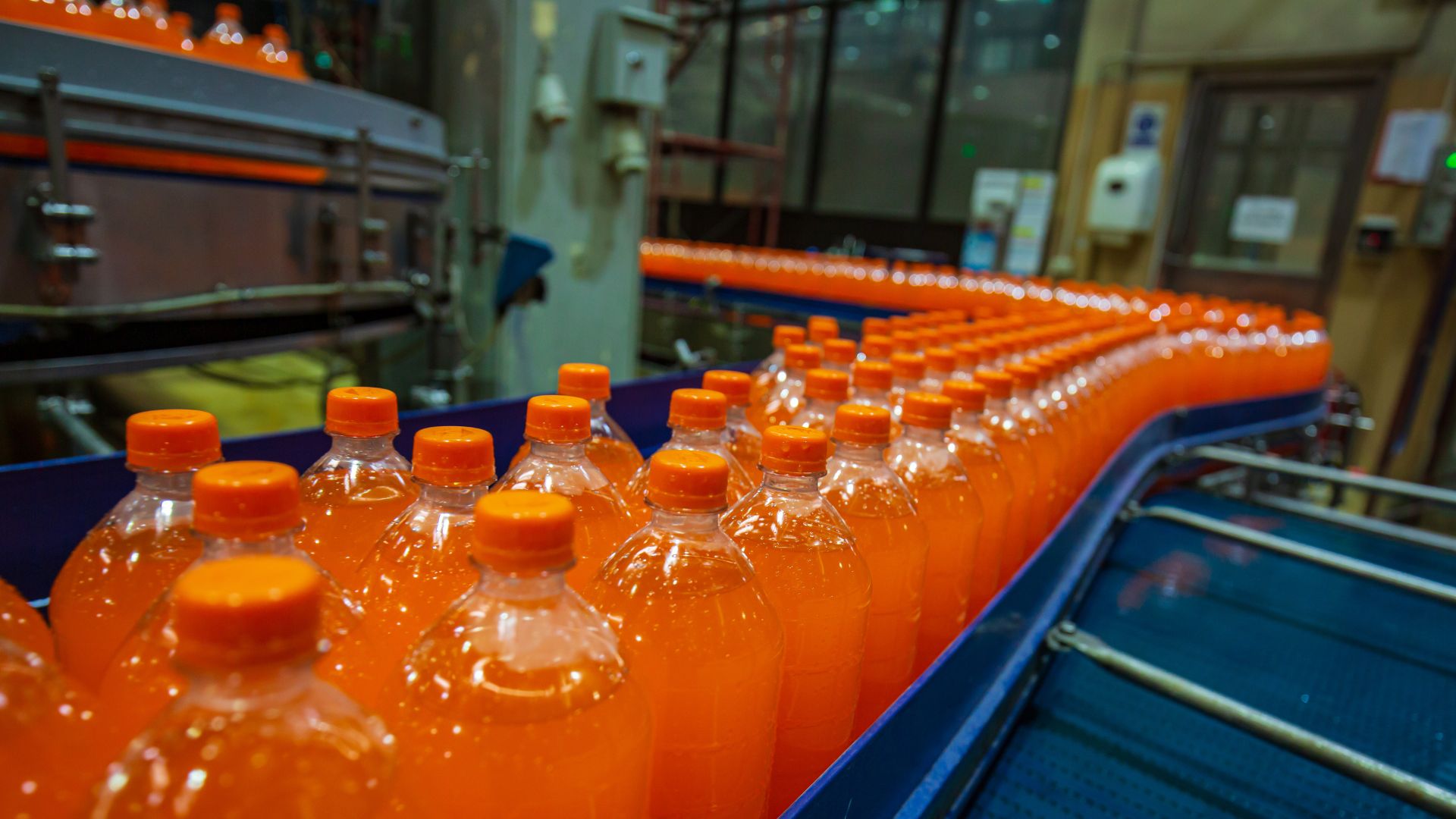
The shift toward a circular economy is no longer just a trend, it represents a fundamental operational transformation for beverage producers. Deposit Refund Systems (DRS), also known as Deposit Return Schemes, are becoming a structural component of beverage packaging markets worldwide. Whether for soft drinks, natural mineral water, or beer, the goal of DRS across the industry is the same: enabling high-quality recycling. However, achieving this goal involves significant logistical challenges and financial complexity.
If you are a beverage producer, here are seven essential concepts you should understand.
1. Understanding the Industry Fee
The “Industry Fee” (or EPR fee) is the financial engine that powers the Deposit Refund System. Producers pay this fee for every unit placed on the market. It covers system administration, the sorting and logistics of empty containers, and the procurement and operation of collection infrastructure.
The Industry Fee is variable. If your packaging is easier to recycle or if the system achieves high collection targets, the fee may be lower. Conversely, inefficient systems or complex packaging designs can increase these costs significantly.
2. High CAPEX and OPEX of DRS Implementation via Industry Fees
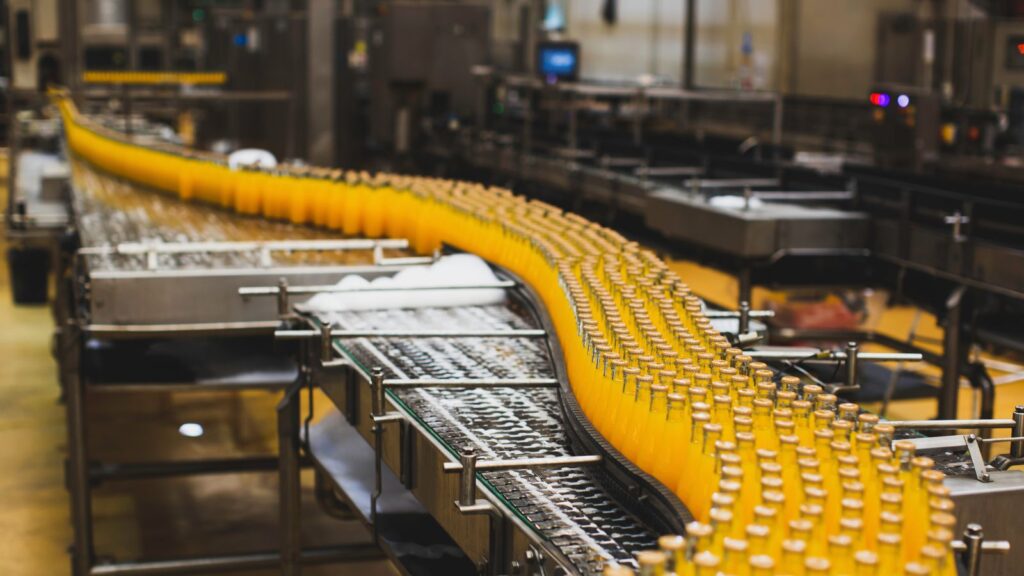
Although system operators manage the infrastructure, the financial burden ultimately falls on producers through industry fees.
This means that beverage producers may not directly purchase Reverse Vending Machines (RVMs), but they still finance them. The CAPEX (Capital Expenditure) required for collection infrastructure and the OPEX (Operating Expenditure) associated with daily collection and logistics are passed back to producers through the Industry Fee.
This represents a substantial collective investment, largely borne by beverage producers, and requires careful long-term financial planning.

3. National vs. International EAN Barcodes
One of the most significant operational challenges for producers is choosing between National and International EAN barcodes.
National EANs:
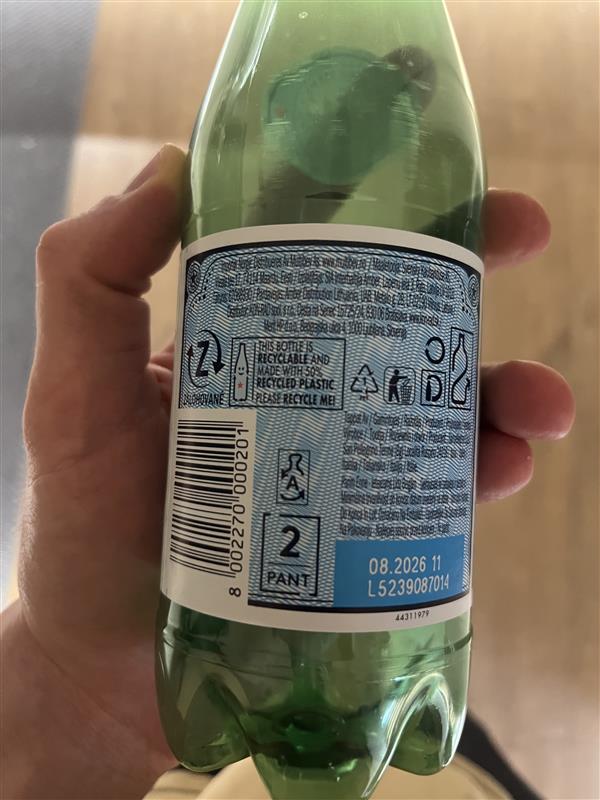
Some markets require a country-specific barcode registered within the national DRS. This helps prevent cross-border fraud but forces producers to manufacture, label, and store country-specific product variants.
For producers operating across multiple markets, this often means:
- Producing identical products with different EANs for each country
- Registering each EAN separately with national DRS operators
- Paying industry fees multiple times for the same product design
International EANs:
Using a single barcode across multiple countries simplifies production and inventory management. However, this often comes with higher industry fees, as systems must account for the risk of containers purchased in one country being returned in another where they were not registered.
4. Increased Production and Distribution Costs
The lack of barcode harmonization creates a costly domino effect throughout the supply chain. When country-specific EAN requirements and labeling rules force a shift toward National EANs, beverage producers lose critical economies of scale.
This fragmentation creates measurable operational and financial burdens:
Production Inefficiency:
Shorter, country-specific production runs result in smaller batch sizes and higher unit costs.
Inventory and Storage Complexity:
Warehousing becomes more complex and costly due to the need to maintain segregated SKUs. Even if the liquid inside the bottle is identical, a “German” bottle and a “Polish” bottle cannot be stored interchangeably due to different SKU identifiers.
Logistical Rigidity:
Cross-border flexibility is significantly reduced. Stock can no longer be easily reallocated between markets (for example, from Poland to Germany) to respond to demand fluctuations.

5. Combating Fraud and Enabling Traceability
Barcodes serve as the foundation of any DRS. However, traditional EAN barcodes can be relatively easy to replicate using high-quality printing.
The risk: Fraudulent returns of containers that were never produced or placed on the market.
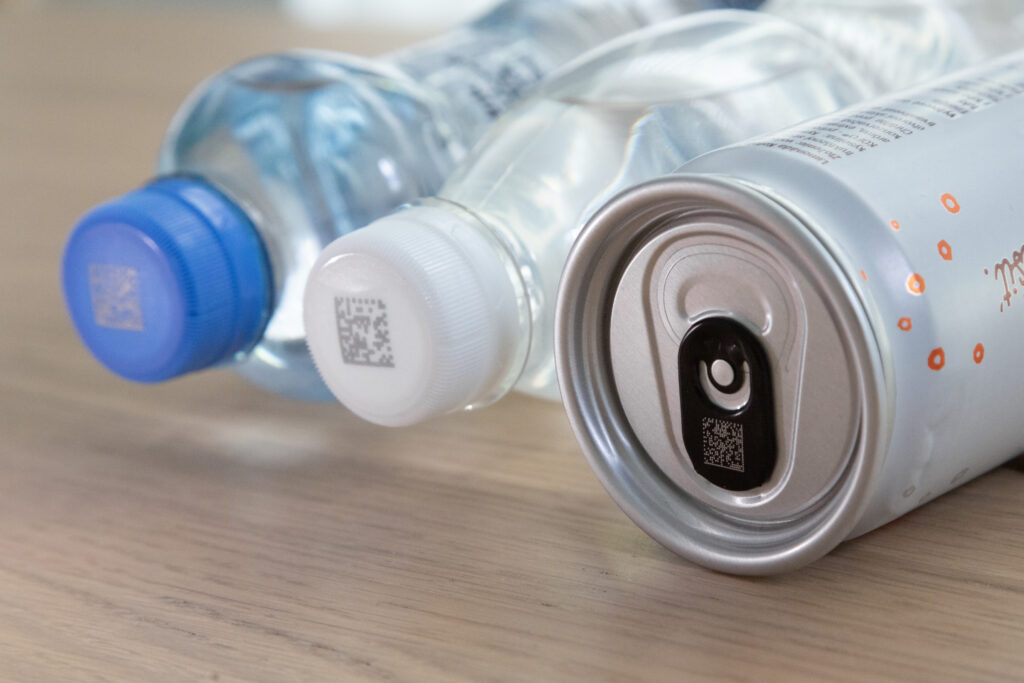
The solution: Modern DRS implementations are increasingly adopting serialized identifiers using 2D codes, such as Data Matrix. These codes enhance traceability by assigning each container a unique digital identity, enabling accurate tracking throughout its lifecycle.
6. Material Cleanliness and Purity
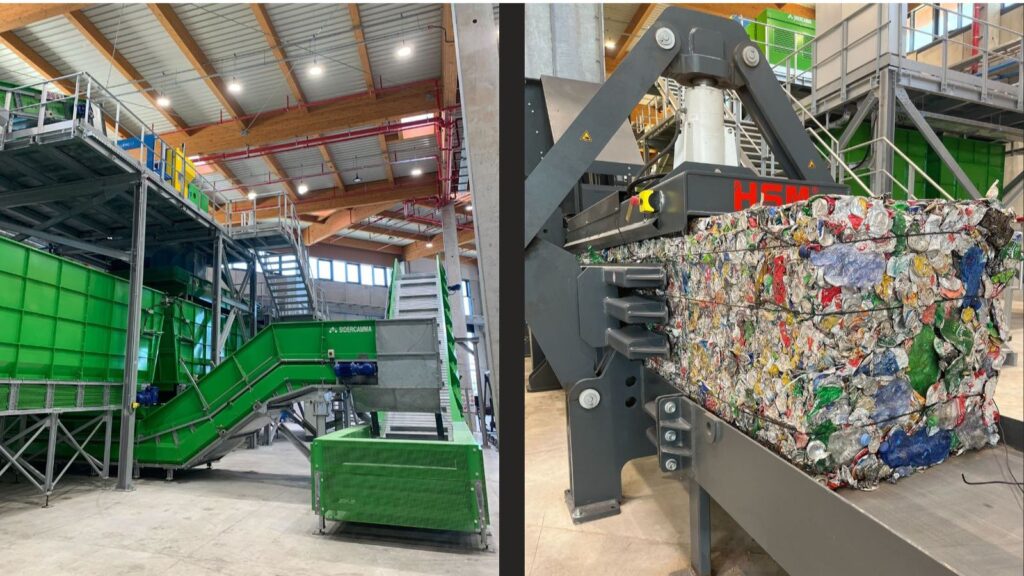
DRS also provides a significant operational advantage. Because containers are collected separately from general waste streams, the recovered material—whether PET, aluminum, or glass—is exceptionally clean.
This high-quality, food-grade material allows beverage producers to reintroduce recycled material into new bottles. This helps meet regulatory requirements, such as the EU’s mandatory recycled content targets for PET (rPET), while supporting circular economy objectives.
7. The Tethered Cap Mandate
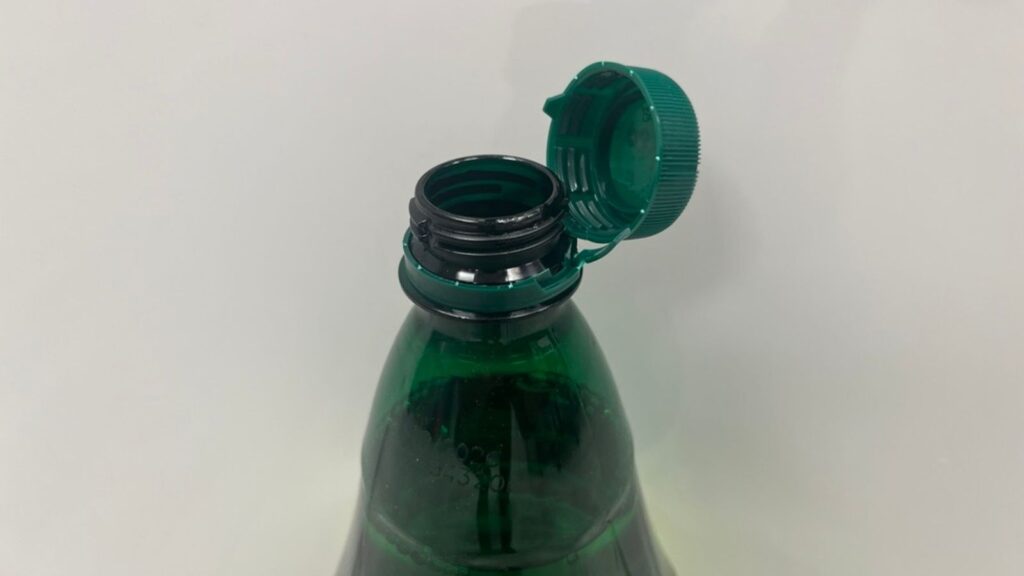
For beverage producers operating in or exporting to the European Union, tethered caps are now a regulatory requirement. This design ensures that the cap remains attached to the bottle throughout its lifecycle.
Why this matters:
Tethered caps reduce litter and ensure that caps are collected and recycled alongside bottles, increasing overall material recovery and supporting circularity goals.
Conclusion
Deposit Refund Systems are no longer niche or experimental—they are becoming a fundamental operating condition for beverage producers worldwide.
Understanding the operational and financial implications of DRS is essential not only for regulatory compliance, but also for maintaining cost efficiency, scalability, and competitiveness in an increasingly fragmented global market.
Producers that invest early in traceability, harmonized labeling strategies, and scalable packaging identification systems will be better positioned to control costs, reduce operational complexity, and adapt successfully to evolving regulatory requirements.