Simpler, more affordable and more secure AI-powered system
to return single-use and reusable packaging


Shape the future of packaging returns with us.
Get in touch at tomas.vincze@smartdrs.com or +421 902 715 571
Driving innovation across global markets
Smart DRS is an AI-powered return technology for deposit-based packaging systems. It enables fast, secure and convenient returns of both single-use beverage containers and reusable packaging, helping countries, cities, venues and organisations make circular packaging systems easier to operate and scale.
Smart DRS Limited is a spin-off of Sensoneo, a global smart waste management technology company and provider of IT systems for nationwide Deposit Return Schemes. The company is registered and headquartered in Dublin, Ireland.
Smart DRS envisions a world where every packaging item is either reused or recycled through smart, secure and accessible systems. Its goal is to make circular economy infrastructure simple, convenient and scalable for operators, businesses and end users.
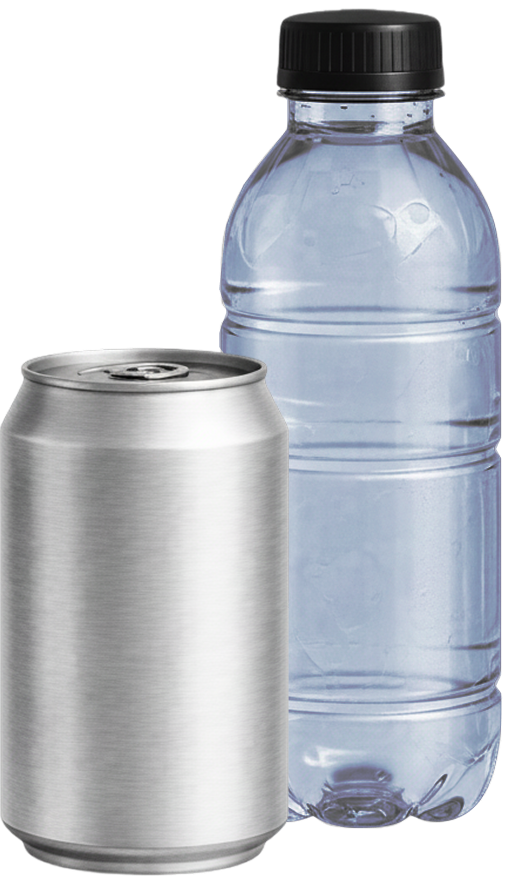
For single-use beverage packaging, Smart DRS uses unique identification codes, smart production-line tracking and affordable Smart Collection Points to verify and manage returns. This enables secure deposit refunds, faster returns and the possibility to return compressed bottles and cans, while reducing the need for traditional, costly return infrastructure.
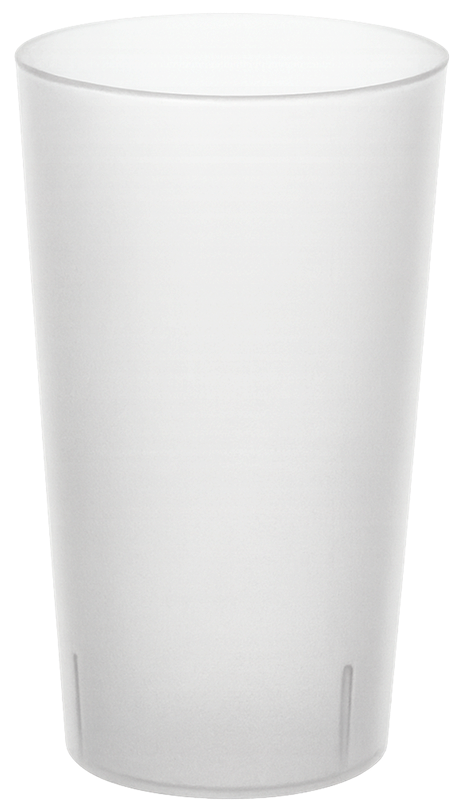
For reusable cups and containers, Smart DRS provides fully automated return stations with AI-based verification and instant card refunds. Visitors can return reusable packaging without downloading an app, registering an account or waiting for staff assistance, making reuse easier for stadiums, festivals, events, campuses and other closed-loop environments.
Smart DRS combines AI-powered verification, unique packaging identification, automated return stations and real-time data management. Unlike traditional systems that often rely on large, expensive infrastructure or manual handling, Smart DRS is designed to be flexible, cost-efficient and easy to deploy across different return environments.
Smart DRS builds on Sensoneo’s experience from multiple Deposit Return Scheme implementations and smart waste management projects in more than 90 countries. This gives the company strong know-how in circular economy infrastructure, large-scale system design, hardware development and secure data-driven waste management solutions.
The solution is built to reduce costs, improve security and make returns more convenient for consumers and operators. For single-use packaging, it enables fraud prevention, faster returns and lower infrastructure costs. For reusable packaging, it automates the return process, removes the need for cash handling or staff involvement and provides instant card refunds.
Smart DRS can be deployed in nationwide deposit return systems, retail collection networks, festivals, stadiums, arenas, corporate campuses, universities and other controlled environments. It can work as a complement to existing return infrastructure or as an independent collection method.
Smart DRS helps make packaging return systems more accessible, efficient and user-friendly. By supporting both recycling and reuse models, it helps reduce packaging waste, improve material recovery and accelerate the transition towards more sustainable and resource-efficient packaging systems.
 English