Automated Reusable Cup Returns with Instant Card Refunds. No Apps, No Cash, No Waiting.

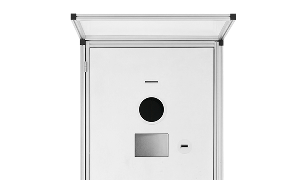
Smart DRS enables fast, fully automated reusable cup returns at events, stadiums, venues and any closed-loop environments. Visitors simply return the cup or multiple cups and receive the deposit back to their payment card instantly. There is no registration, no queues, no handling of cash.
Reusable cups reduce single-use plastics, lower waste-handling costs, and create a more sustainable festival or event. Smart DRS makes the re-use process automated, convenient, and easy to run.
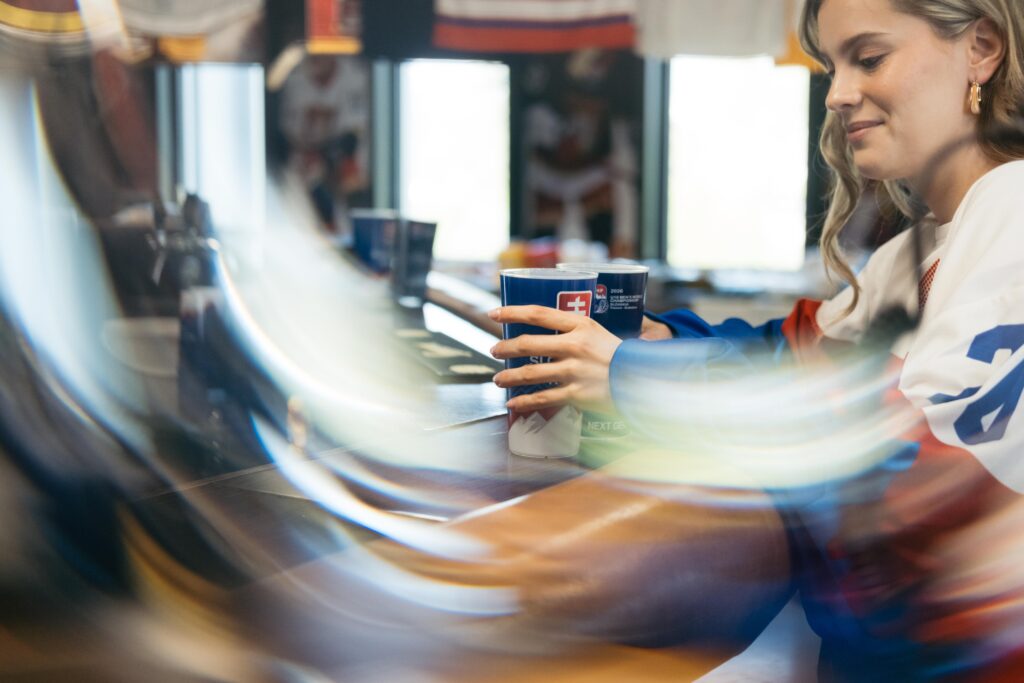
Deposit is added to the price of the drink.
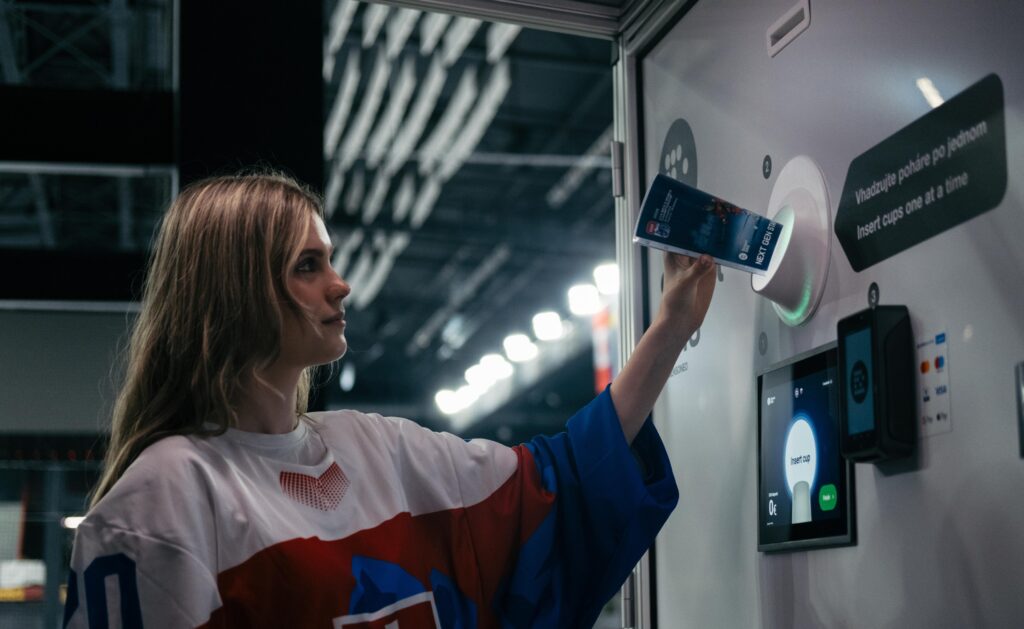
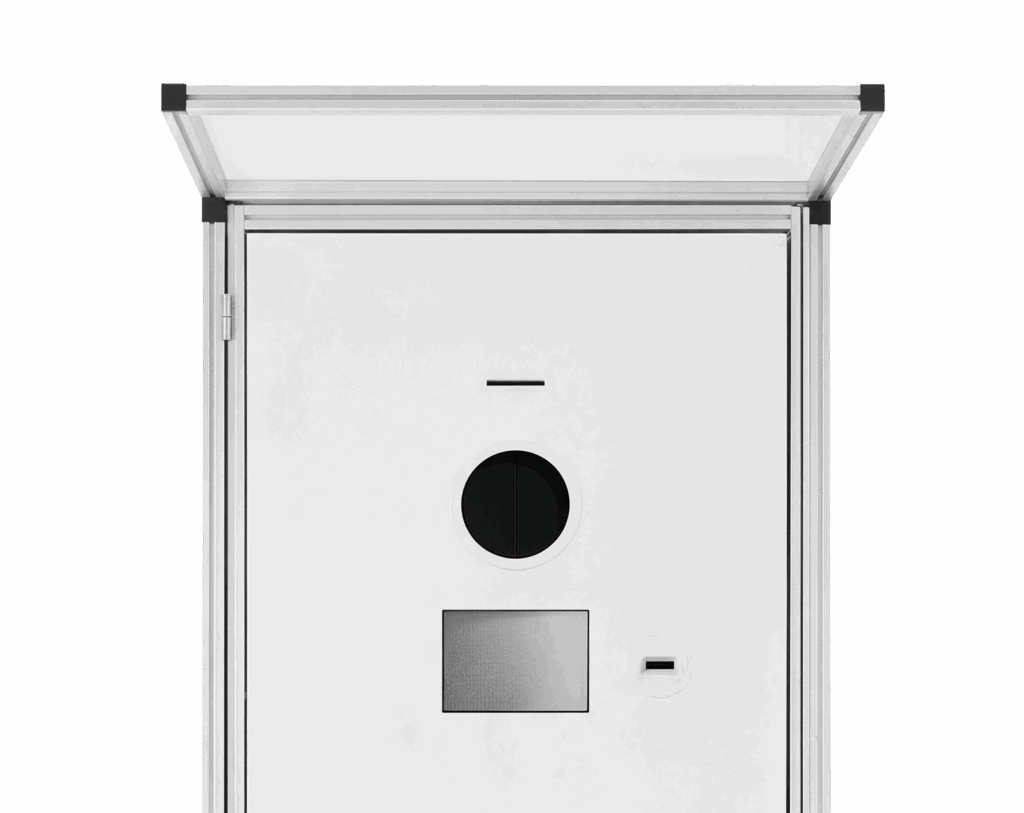
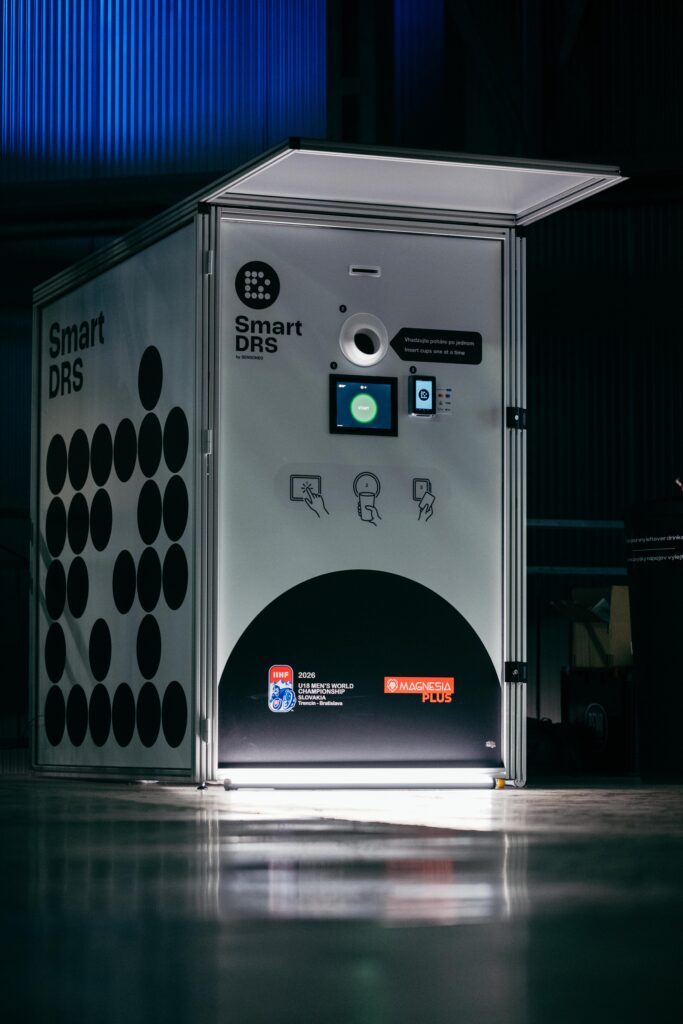
Drop an empty reusable cup into the Smart Collection Point.
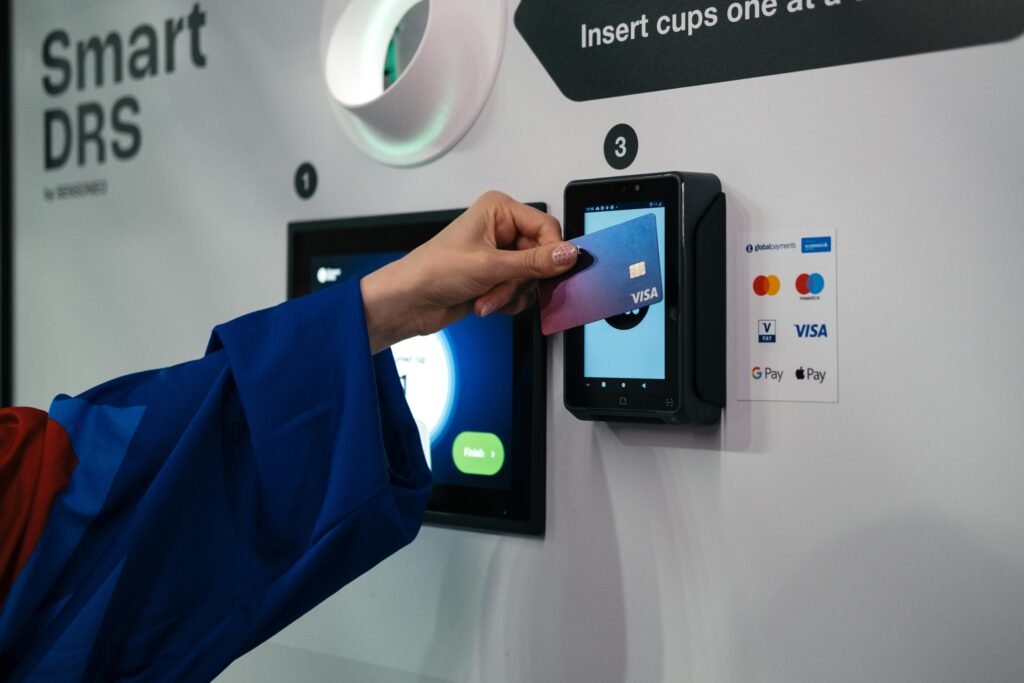
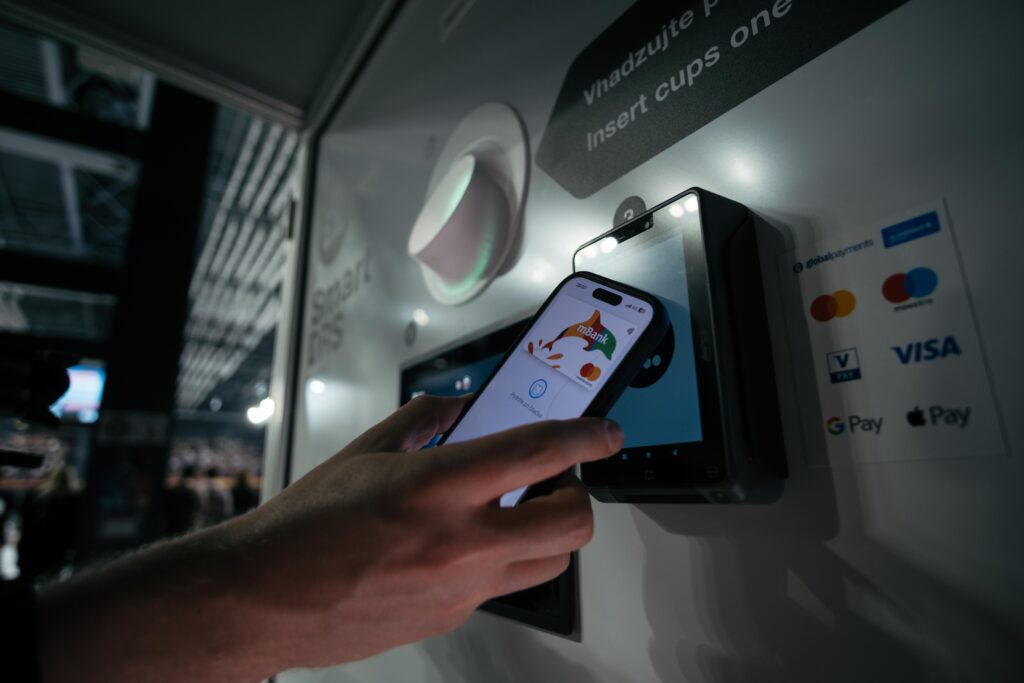
Receive deposit for returned cups immediately.
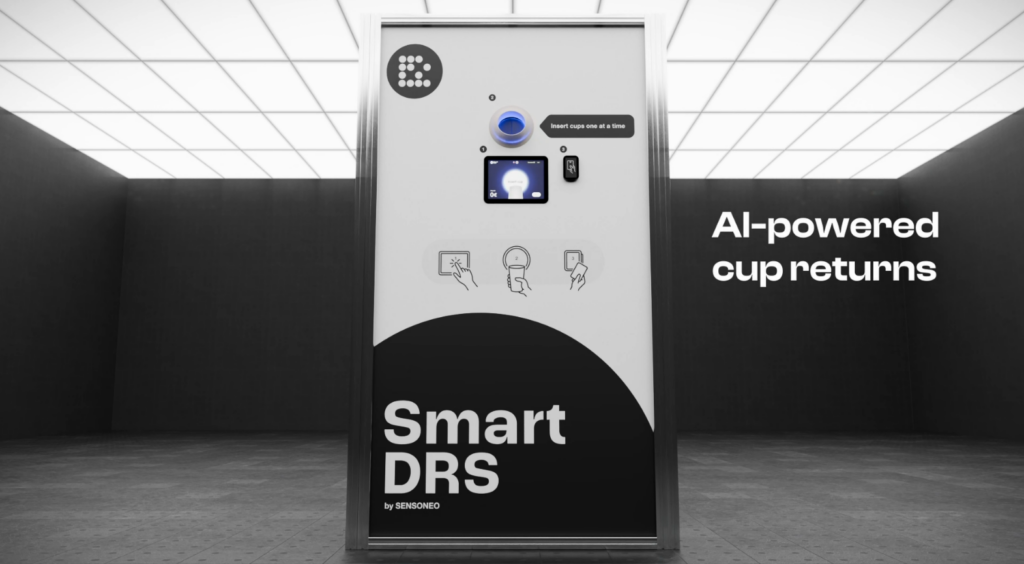
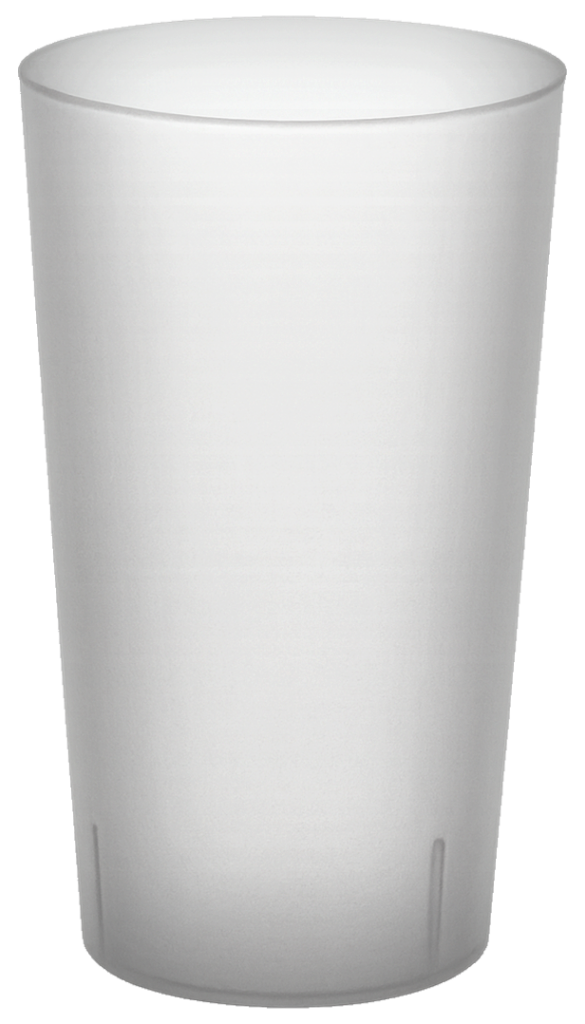
By automating the entire return process, our system eliminates manual cup handling, allowing staff to focus fully on serving visitors and enhancing the guest experience.
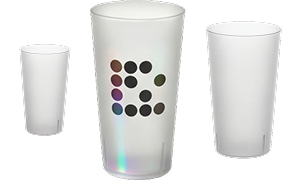
Whether you already work with a reusable cup supplier or are introducing reusable cups for the first time, our system adapts to your needs. We can seamlessly integrate with cups you already use or support you in designing and supplying a new reusable cup solution tailored to your venue.
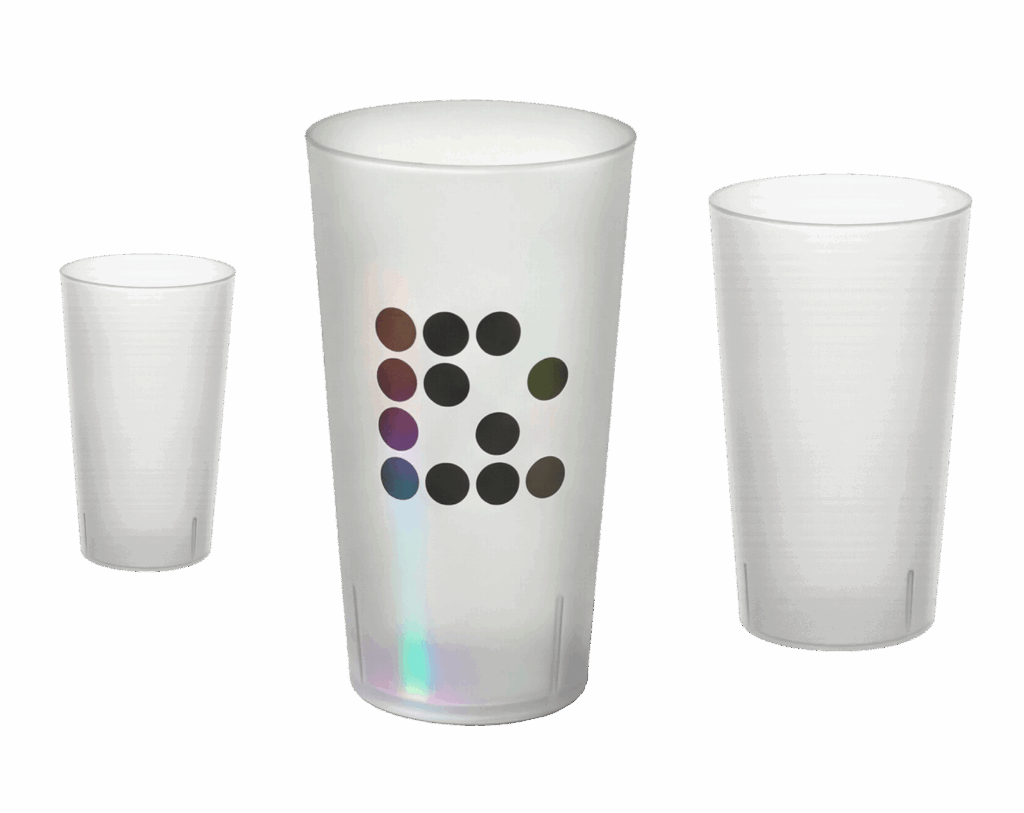
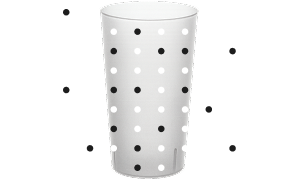
Our AI-powered recognition system can verify returned cups (and bottles) using multiple identification methods depending on customer requirements, including cup design recognition, QR code, Data-matrix code, RFID, and other identifiers.
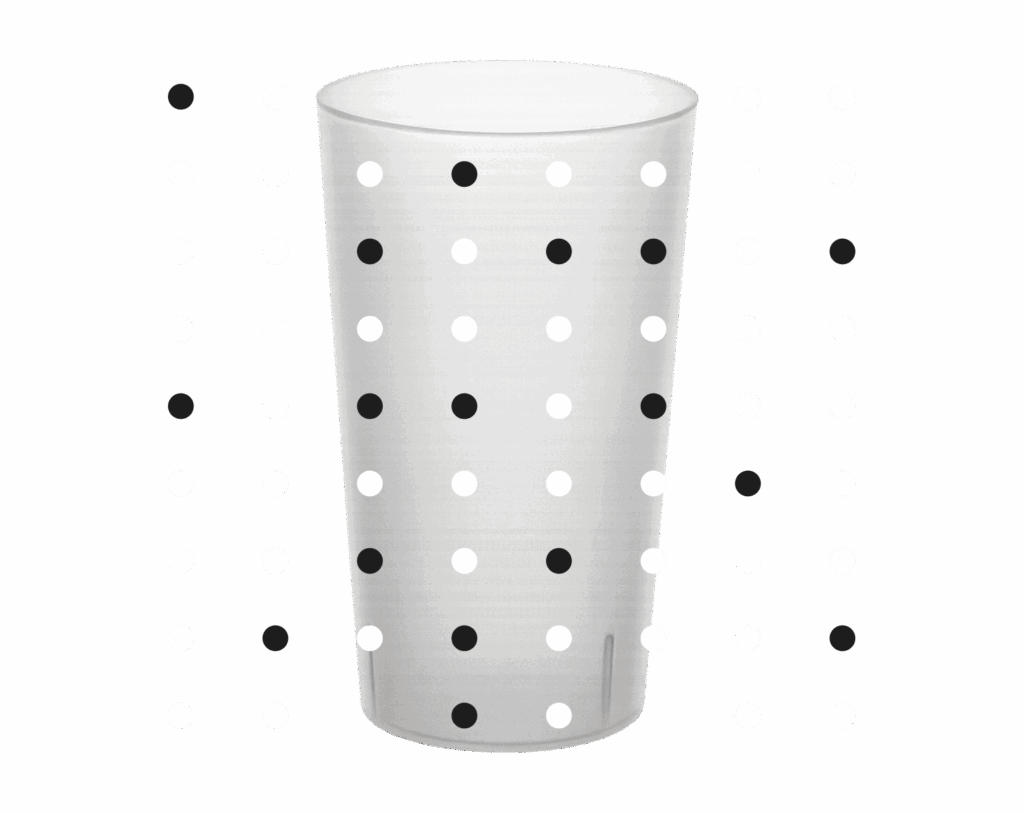
We provide a return system purpose-built for large arenas, major festivals, and high-visitor-volume environments. Our solution combines AI-based cup recognition, instant card refunds, and fully automated return stations, enabling visitors to return cups quickly and conveniently without staff assistance, app downloads, or user registration.
Our solution is designed to integrate seamlessly with your existing infrastructure, including washing systems and other back-of-house processes, minimising any disruption to your current operations.


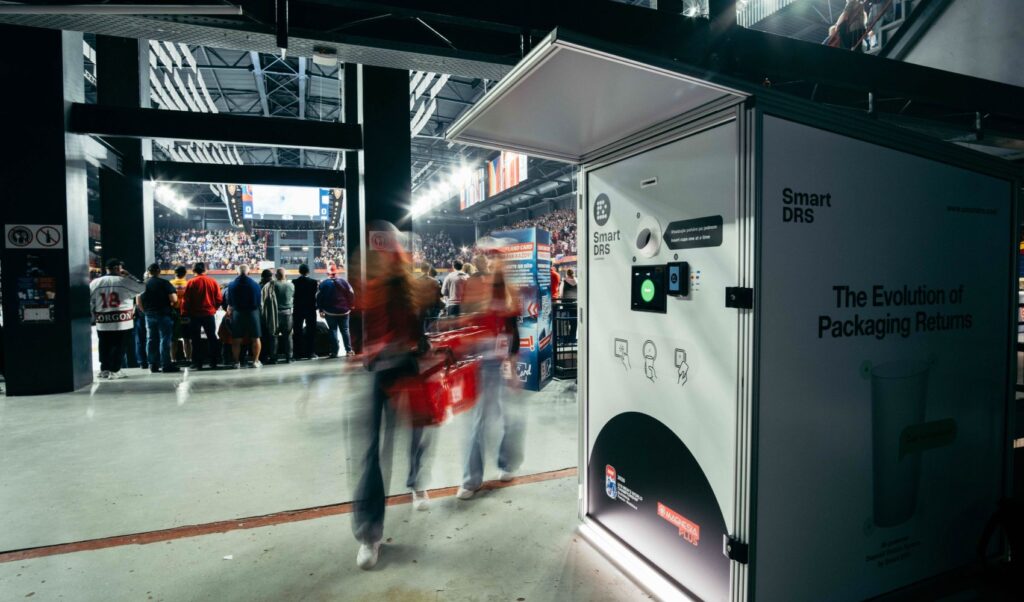
The 2026 IIHF U18 World Championship went green. The Smart DRS return stations were deployed in all arenas, enabling visitors to conveniently and quickly return reusable cups and receive their deposit back instantly. The tournament demonstrated how major events can implement circular economy solutions without compromising visitor convenience or fan experience.
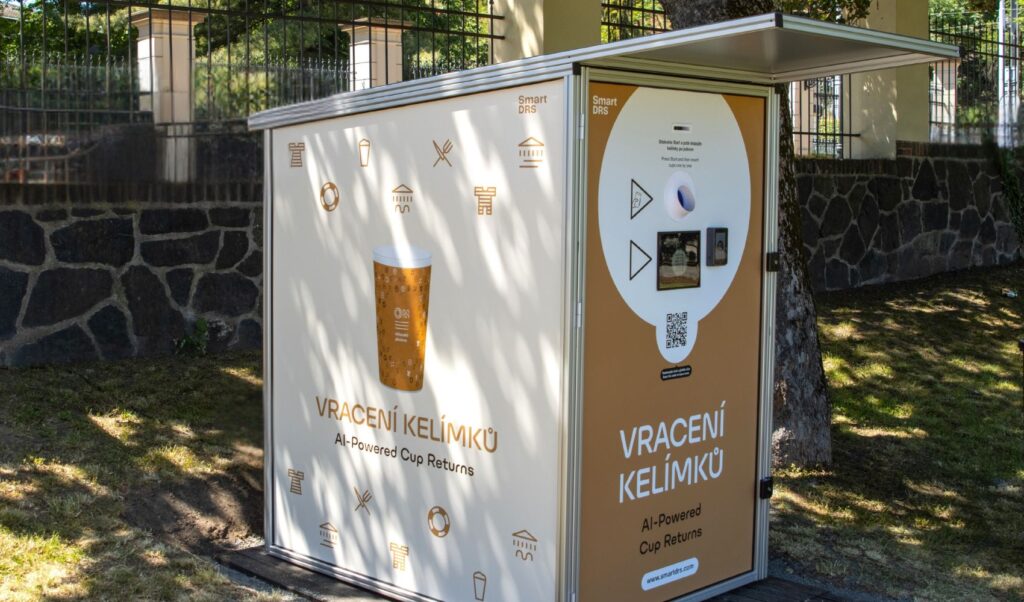
Case studyDesigned for stadiums, festivals and large venues, Smart DRS collection points are ideal for high-traffic environments. They can be easily deployed wherever automated returns of reusable packaging and instant deposit refunds are needed, delivering a convenient and seamless return experience for users.
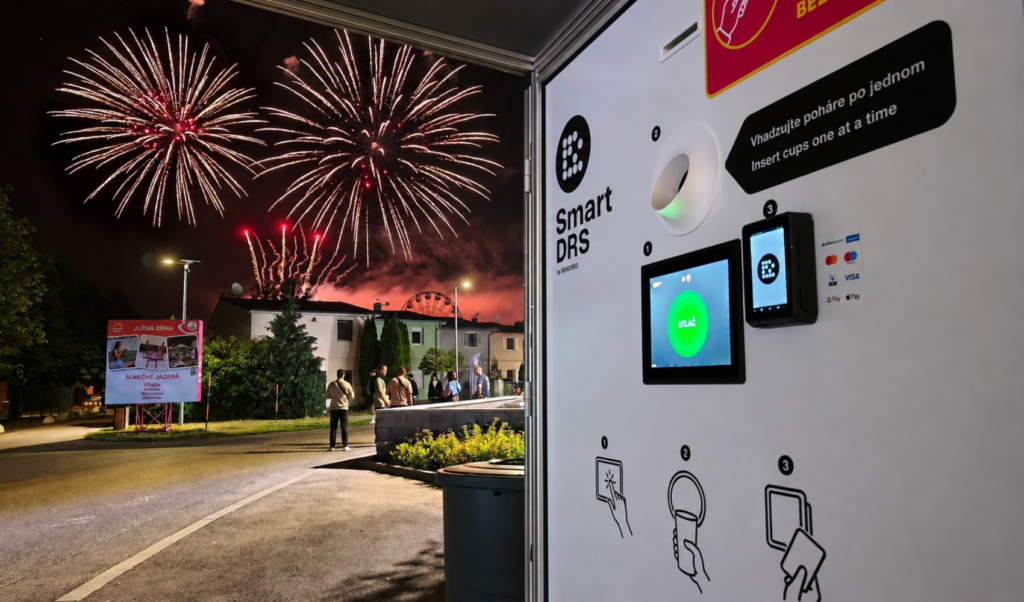
Proven in real-world use
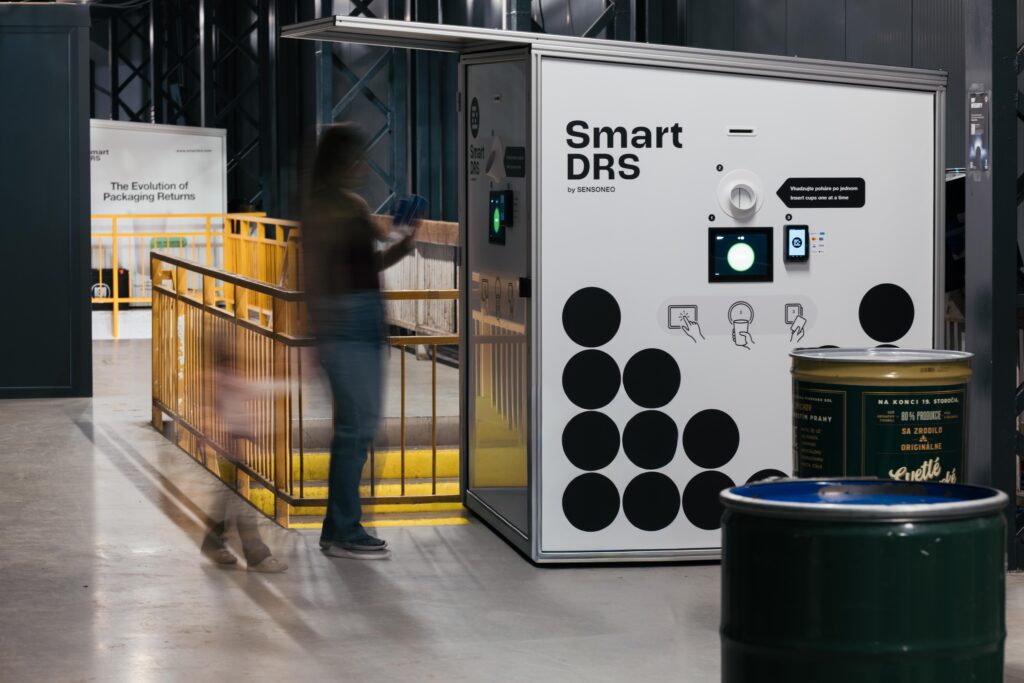
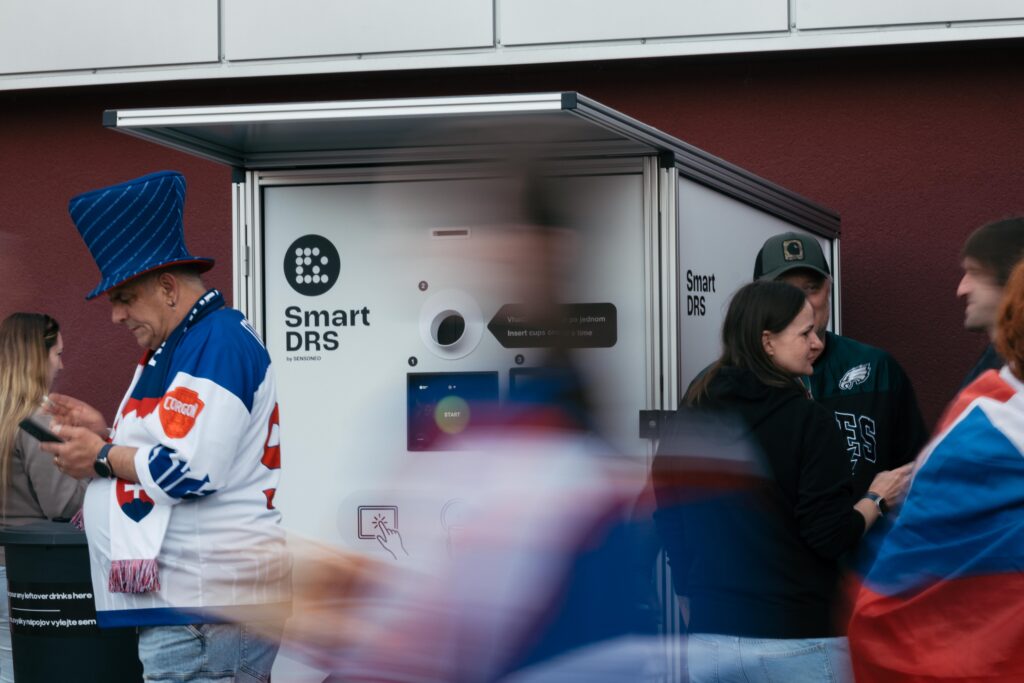
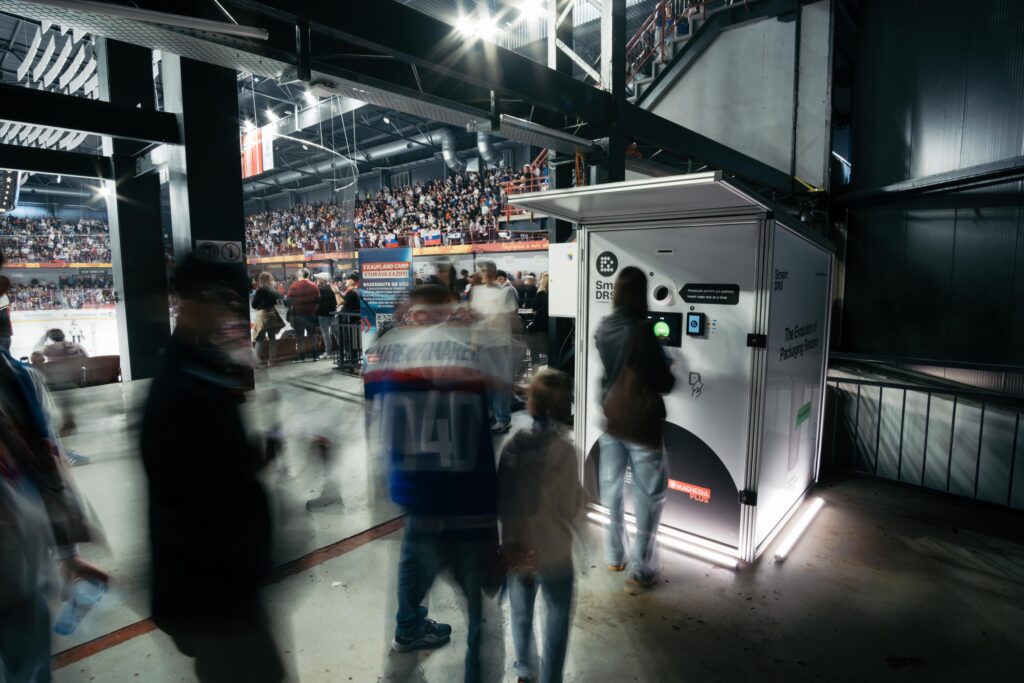
Smart DRS integrates smoothly with existing cup systems, washing providers and logistics processes. The solution adapts to your current infrastructure and operational workflows, helping you automate reusable cup returns without the need to change suppliers or redesign your existing processes.
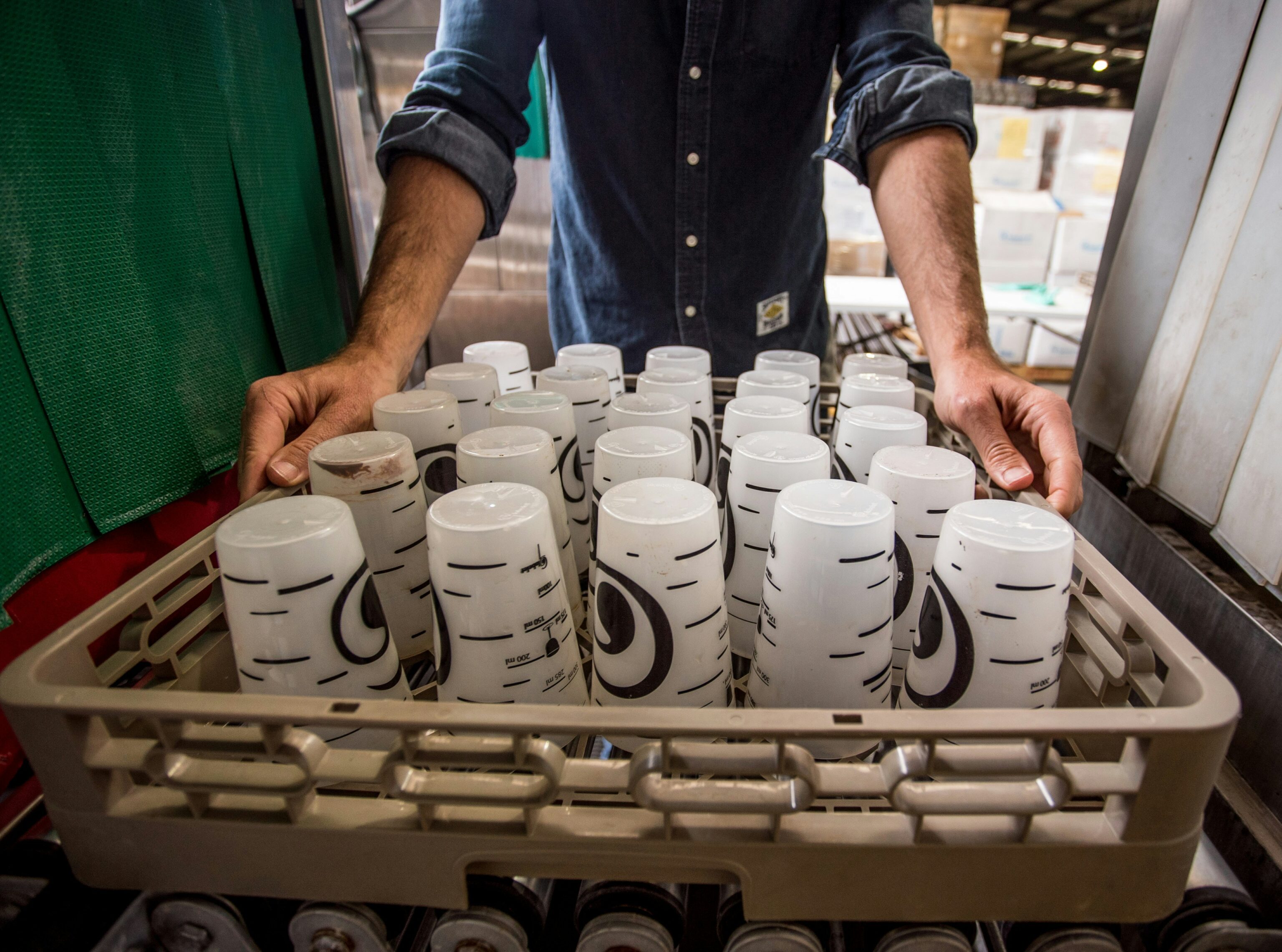
Smart DRS is designed for sports stadiums, festivals, events, corporate campuses and universities — any venue serving large numbers of visitors that wants to run a reusable cup scheme without relying on staff or manual returns.
No. Smart DRS can operate without any tag, code or chip on the cup – the AI camera identifies returns visually by shape, dimensions and design profile. For operators already using cups with QR codes, RFID or other identifiers, the system is fully compatible with those too. The identification method is configurable per deployment.
The system is fully cup-agnostic and vendor-agnostic. The return station works with any cup already in use at the venue or sourced from any third-party supplier. The AI model can be trained to recognise multiple cup profiles simultaneously – different volumes, shapes and materials – making it suitable for multi-vendor festivals or city-wide systems with several cup types in circulation.
The camera analyses the physical geometry, structure and visual characteristics of each item against the approved cup profile. Non-matching items – including fakes or random containers – are rejected. Being based on physical form rather than a replicable code, it is significantly harder to defeat than QR or RFID-based systems. Visibly damaged cups are not accepted.
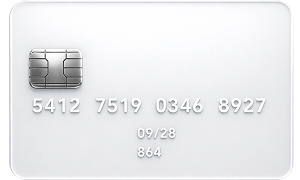
No. The process is entirely app-free and registration-free. At the return station, the visitor inserts the cup and taps any payment card or NFC-enabled device – card, phone or watch. The refund is returned directly to their bank account, in most cases instantly, though some card providers may take up to 24 hours. No registration, no scanning, no staff assistance required.
Yes. Cups are inserted one by one in rapid sequence – the AI camera processes each item. The cumulative deposit for all returned cups is settled in a single card transaction at the end of the session.
Yes. The Smart DRS enclosure is built to IP65 standard, making it fully protected against dust, rain and humidity. The hardware is designed to handle the temperature variation typical of outdoor festivals and open-air stadiums. All electronics, including the AI camera, are sealed within the unit – no additional weatherproofing is required on-site.
Yes. The station is available in configurations ranging from compact single-lane units for tight spaces to wider multi-lane formats for high-volume exits. The exterior can be custom-designed to match venue branding, and adding stations to an existing deployment requires no reconfiguration of hardware or software.
The operations team monitors fill levels in real time through the management app, which displays the current capacity percentage of each collection point. A maximum threshold can be set manually based on the container size, and the app sends a notification when a station is approaching that limit – allowing staff to respond before it reaches full capacity.
Yes. Smart DRS connects with major POS platforms via open API, applying the deposit within the same transaction as the drink purchase. Return events are posted back to financial systems in real time, automating end-of-event reconciliation. Integration with loyalty and rewards platforms is also supported.
Smart DRS integrates directly with cup washing providers via API, exporting cup condition data, cycle counts and logistics requirements after each collection cycle. There is no requirement to change washing provider.
 English


