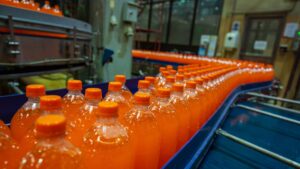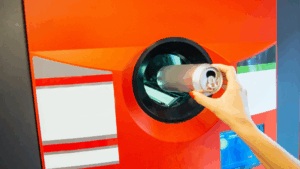
The global push for better recycling, higher return rates, and reduced packaging waste has accelerated the development of next-generation deposit return schemes (DRS). Among these, the Smart Deposit Return Scheme (Smart DRS) represents an evolution that combines the proven incentive-based deposit model with digital tracking and flexible collection infrastructure. Unlike traditional reverse vending machine (RVM) systems or fully digital app-based DRS, Smart DRS balances convenience, material purity, and system security.
A Smarter Way Forward for Deposit Systems
A Deposit Return Scheme (DRS) is a system where consumers pay a small deposit on beverage containers (bottles, cans, cartons) that is refunded when the container is returned for recycling. Traditional DRS systems often rely heavily on reverse vending machines, which scan containers and dispense cash or vouchers.
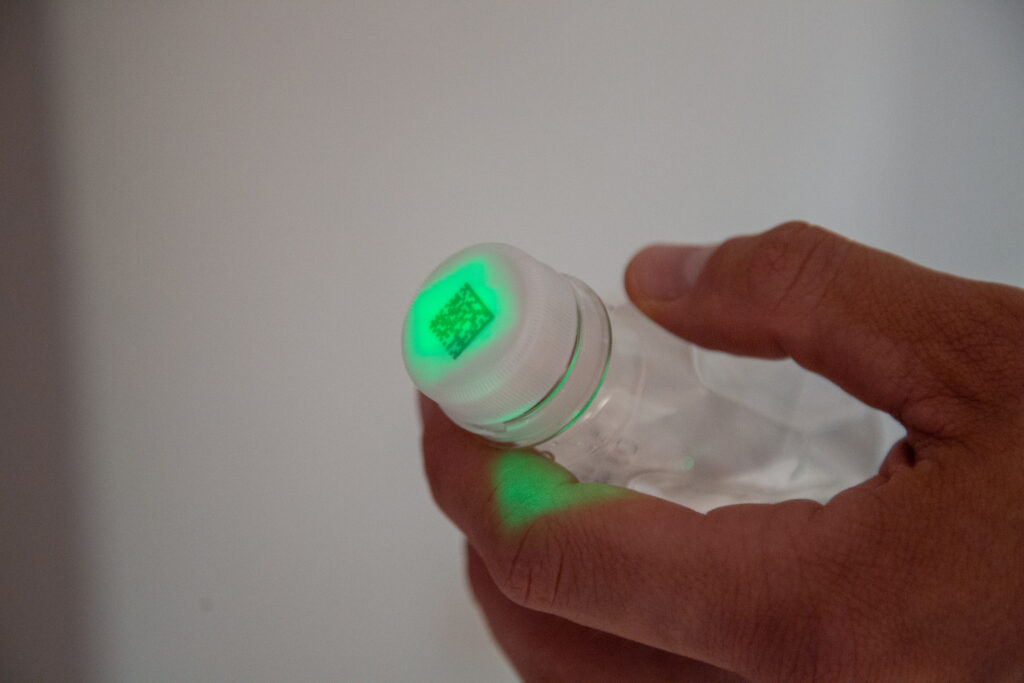
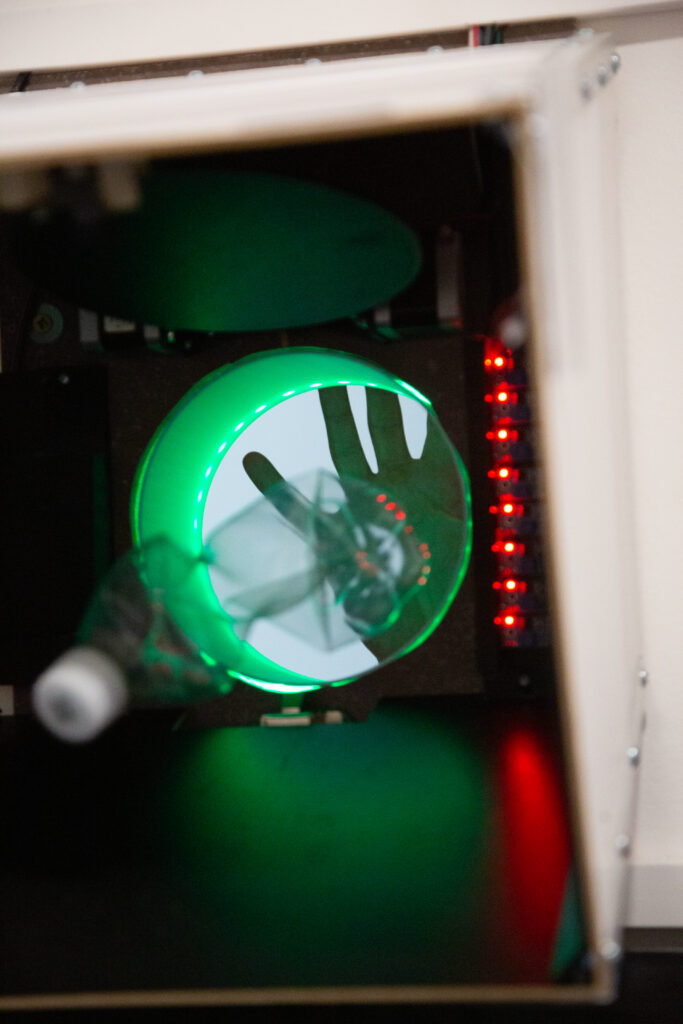
Smart DRS builds on this concept but adds *Unique Container Identification (UCID)* and flexible collection points. Each container receives a unique digital code, which allows the system to track it from production to return. Returns are possible through:
- Reverse vending machines at supermarkets
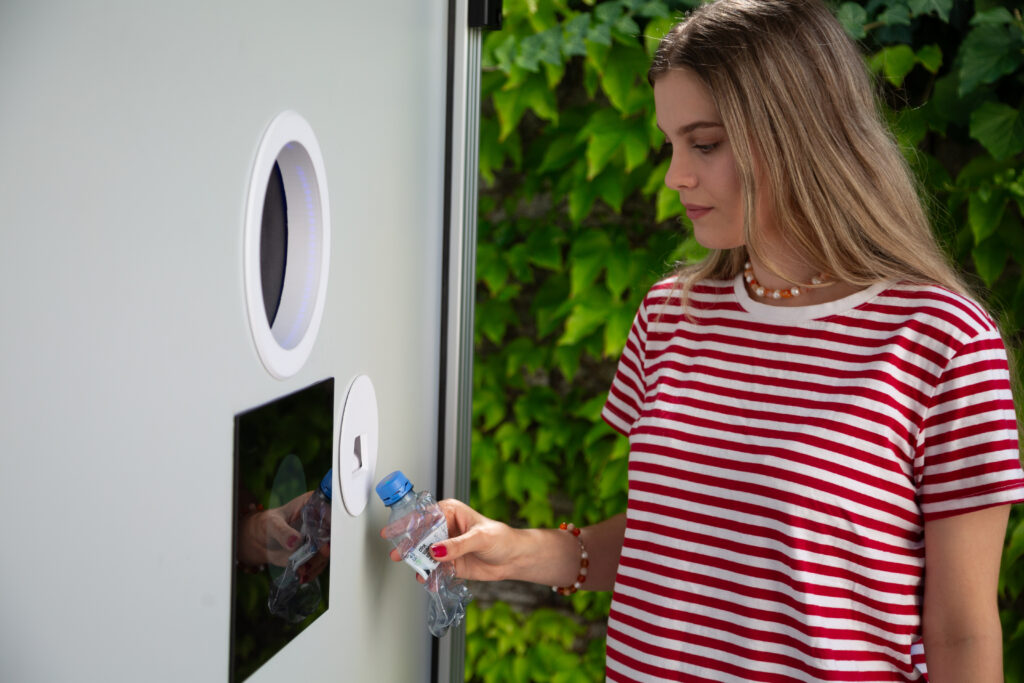
- Smart Collection Points in smaller shops, municipal buildings, gas stations, or event venues
- Manual collection points with UCID scanning
How Smart DRS Works
1. Unique Container Identification (UCID)
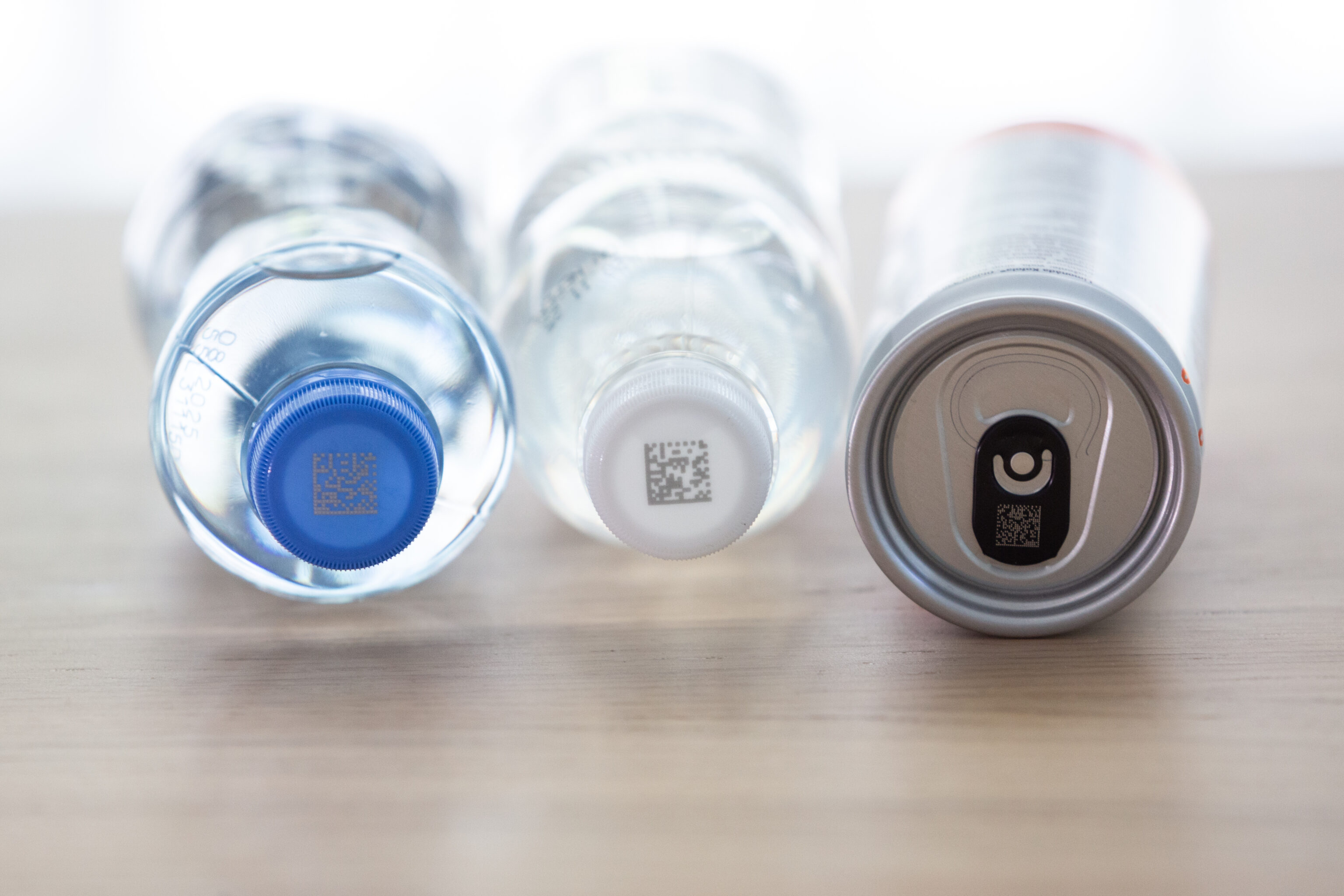
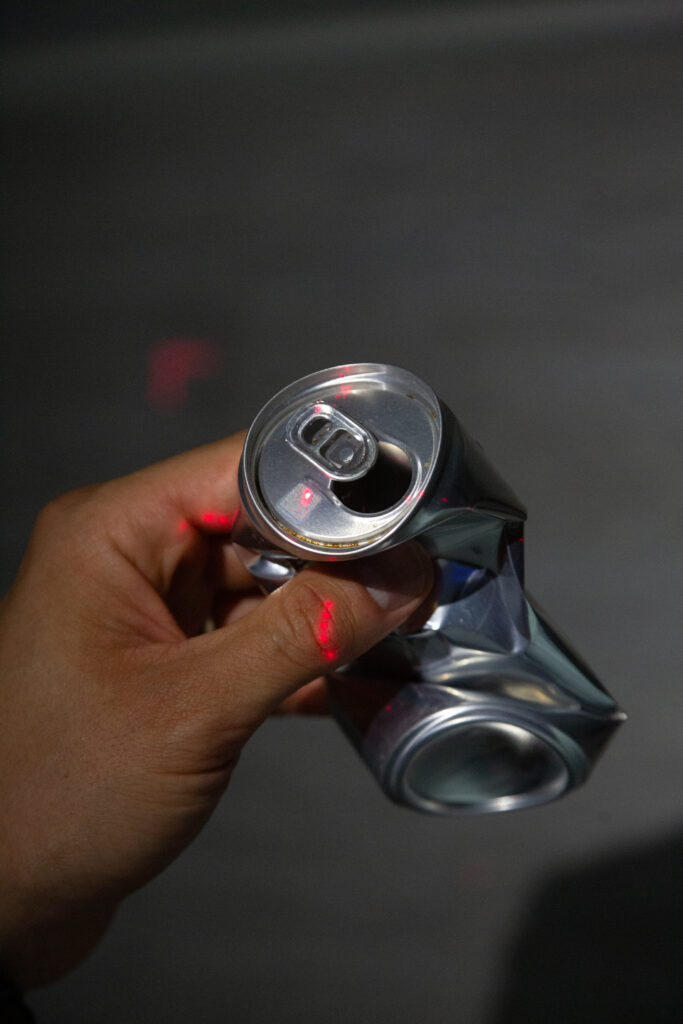
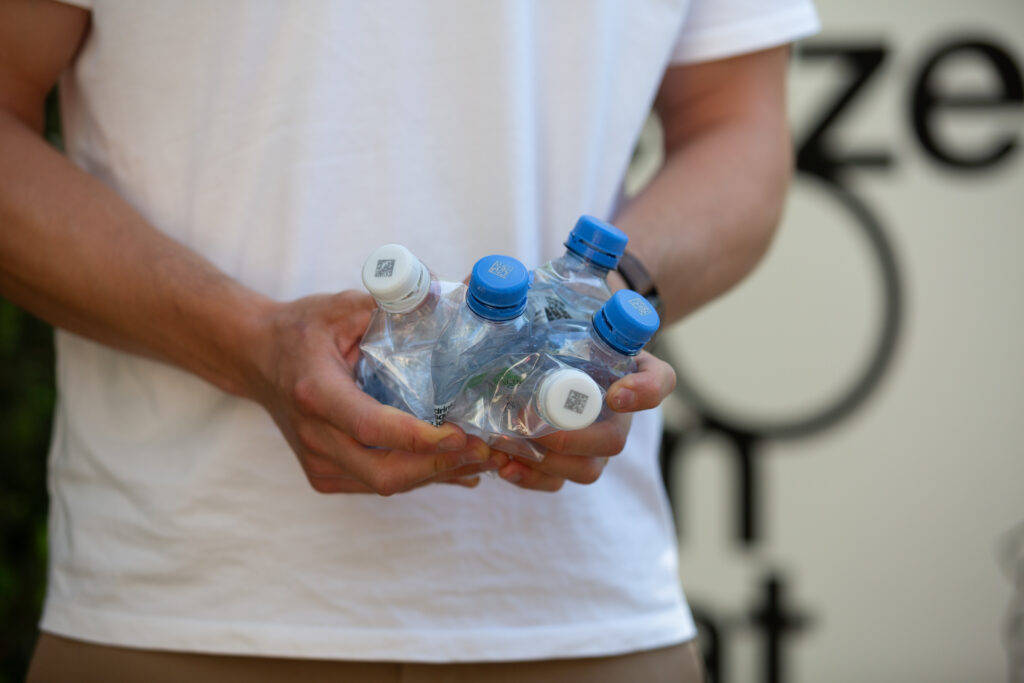
Each container is assigned a UCID, typically embedded as a QR code, Data Matrix, or laser-etched identifier on the bottle, can, or cap. This enables traceability and security, ensuring that the same container cannot be claimed multiple times.
2. Flexible Collection Options
Unlike traditional systems that depend solely on RVMs, Smart DRS can integrate smaller retailers, schools, petrol stations, and community collection points. This increases accessibility, supports easy integration for HORECA, and encourages higher return rates.
3. Deposit Validation
When a container is returned, the UCID is scanned and verified against the system database. The system confirms that the container is in scope, has not been previously returned, and is eligible for the deposit refund.
4. Material Purity
Serialization allows the system to track each container’s material type and production batch. This ensures that returned containers meet high-quality standards for recycling, minimizing contamination and improving circular economy outcomes.
Smart DRS vs Traditional RVM-Based DRS
| Category | Traditional DRS (RVM-Based) | Smart DRS |
|---|
| 🚶♂️ Flexibility & Accessibility | 🔸 Limited – Mostly large supermarkets with RVMs; consumers may need to travel. | ✅ High – Many return options (small shops, events, mobile points). |
| ♻️ Material Purity | 🔸 Moderate – Some contamination and mis-sorting can reduce recycling quality. | ✅ High – Serialized containers ensure legitimacy and cleaner feedstock. |
| 🏗️ Infrastructure Efficiency | 🔸 Low – Expensive machines, maintenance, and limited deployment flexibility. | ✅ High – Fewer big machines needed; lower logistics and easy scaling. |
| 🔐 Fraud Prevention | 🔸 Partial – RVMs block some fraud but duplicates can slip through in large networks. | ✅ Strong – Unique container IDs + database checks drastically reduce fraud. |
Smart DRS vs Digital (App-Based) DRS
Digital DRS models rely on smartphone apps and consumer-scanned codes, sometimes allowing kerbside or home returns. While convenient, fully digital models face challenges:
- Material contamination: Containers returned via general bins may mix with waste, reducing quality.
- Fraud risks: Codes without physical verification could be duplicated or tampered with.
- Digital exclusion: Not all consumers use smartphones or apps.
Smart DRS merges the benefits of digital tracking with purpose-built collection points to maintain high material purity, traceability, and security, while still providing convenience comparable to digital systems.
Industry Benefits
For Producers
- Enhanced traceability and compliance with regulatory requirements
- Higher quality material streams for recycling, supporting circular economy goals
- Reduced risk of fraud and leakage in deposit returns
For Retailers
- Small and medium retailers can participate via Smart Collection Points, avoiding the capital cost of full-size RVMs
- Greater customer engagement and satisfaction
For Consumers
- More convenient collection points beyond large supermarkets
- Quick, accurate deposit refunds via scanning systems
Environmental Benefits
- Improved capture rates with high material purity
- Optimized logistics and reduced carbon footprint compared to RVM-only networks
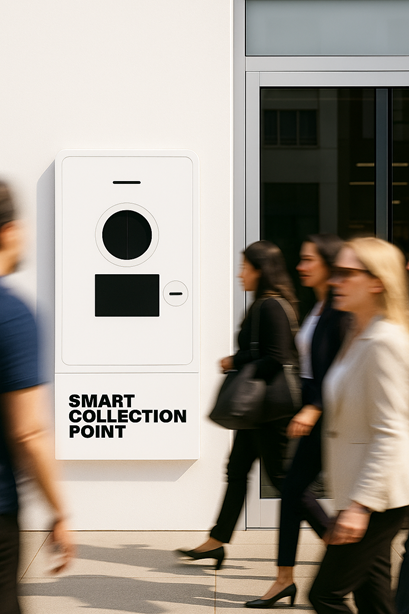
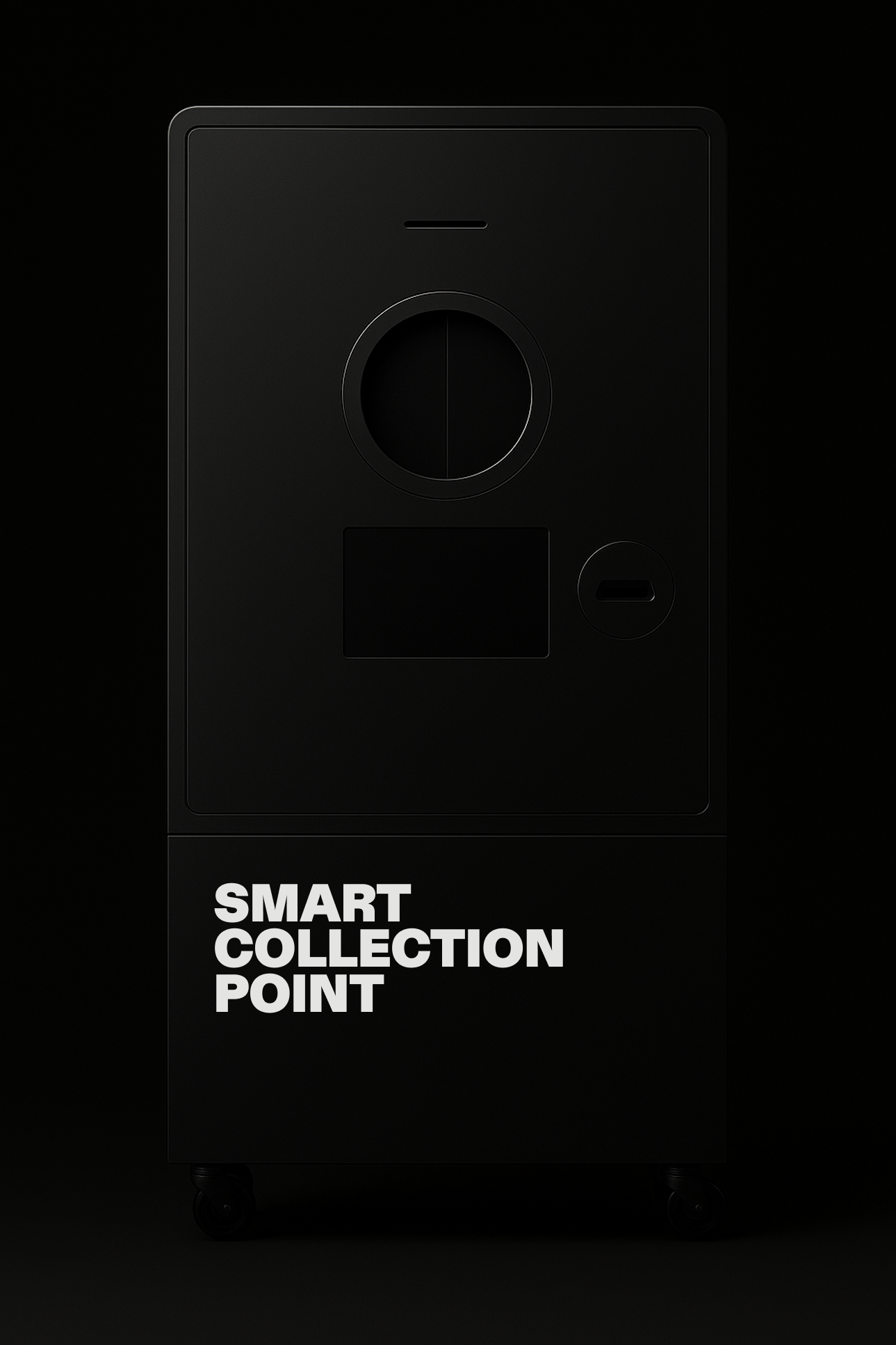
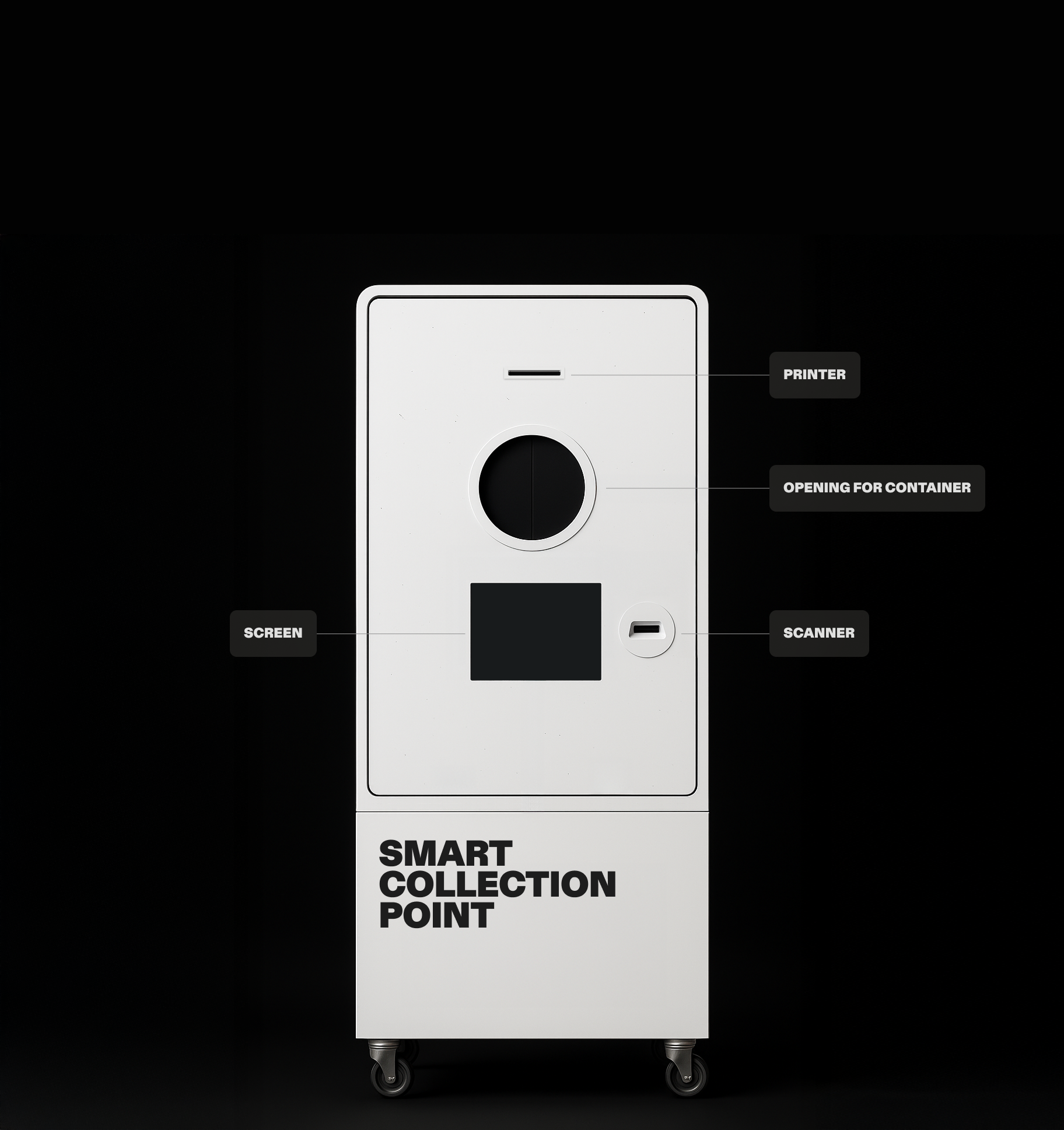
How Smart DRS fits material purity and security requirements
Smart DRS is designed to meet the highest standards for material purity and system security. Serialization/UCID is designed to make each container uniquely identifiable, ensuring accurate tracking. Returns made via Smart Collection Points guarantee that only valid containers are returned, reducing fraud. Controlled collection points minimize contamination compared to kerbside-only digital DRS.
The smart scheme supports for multiple container types: PET, aluminium, glass, re-fillable cups/bottles — which makes the system ready for future packaging innovations.
Conclusion
The Smart Deposit Return Scheme offers a flexible, secure, and high-quality alternative to both traditional reverse vending machines and fully digital, app-based DRS systems. By combining digital tracking, flexible collection, and rigorous material validation, Smart DRS meets the demands of producers, retailers, consumers, and regulators.
As global recycling targets rise, Smart DRS provides a scalable and sustainable solution — improving material purity, fraud prevention, and consumer convenience while supporting the circular economy.