Reusable cups are becoming standard at stadiums, festivals, and large venues aiming to reduce single-use packaging and meet sustainability targets. They support circular economy models and can significantly reduce waste generated during high-attendance events.
However, introducing reusable cups is only part of the solution. The effectiveness of these systems depends largely on how easily visitors can return the cups after use.

What Is a Reusable Cup Return System?
A reusable cup return system enables customers to return used beverage cups so they can be collected, washed, and put back into circulation instead of being discarded after a single use.
These systems typically combine reusable cups with designated collection points or automated return machines. They may also include a deposit or incentive scheme, allowing customers to receive a refund or reward after returning their cup.
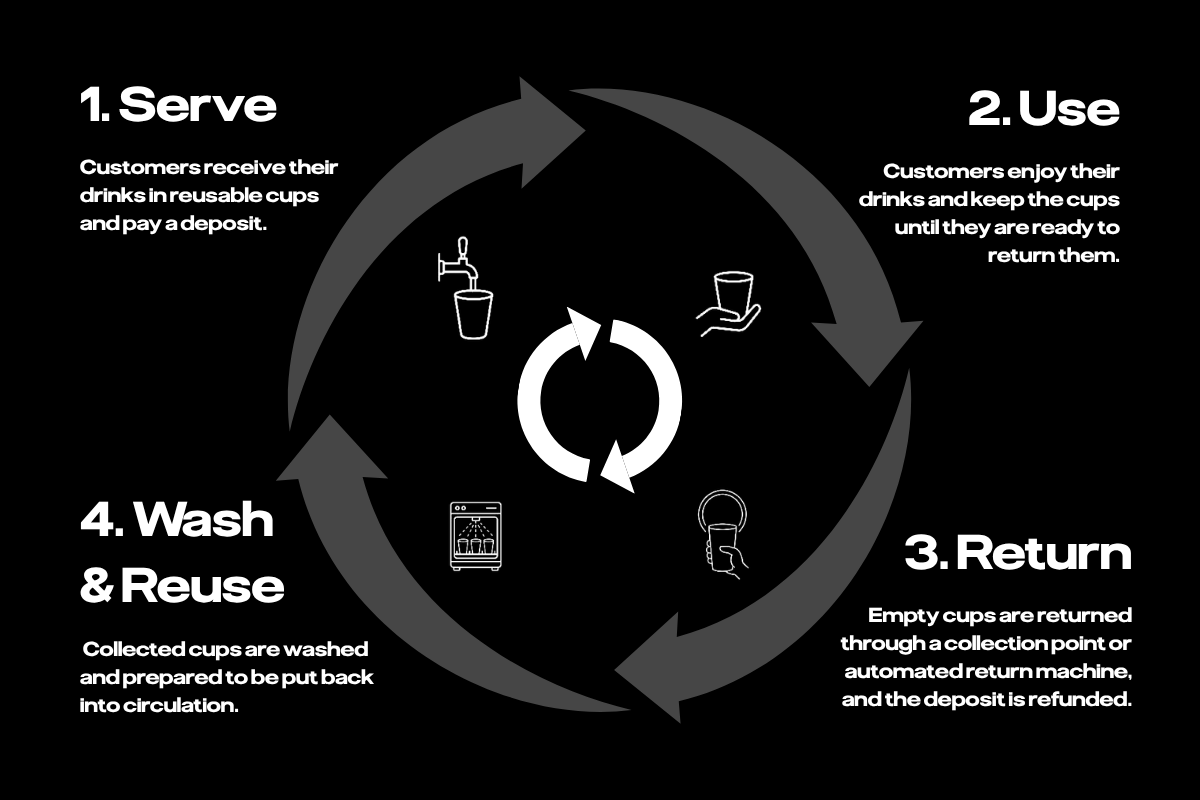
Reusable cup return systems are commonly used at stadiums, festivals, events, and other high-traffic venues where large numbers of beverage cups need to be collected and returned efficiently.
Making Reusable Cups Work at Scale: Why the Return Process Matters
In high-volume environments such as sports arenas, concerts, and public events, return points often become operational bottlenecks. Manual collection points may require additional staff, create queues during peak periods, and lead to inconsistent return rates. When the process is inconvenient, participation drops and reusable assets are lost, reducing both environmental and economic benefits.
For reusable cup systems to perform reliably across different types of events, the return process needs to be simple, fast, and scalable.
The Role of Automation in Reusable Cup Return Systems
Automated collection infrastructure helps remove friction from the return process. Visitors can return cups quickly and continue their experience without delays, while operators benefit from more predictable return rates and reduced operational effort.
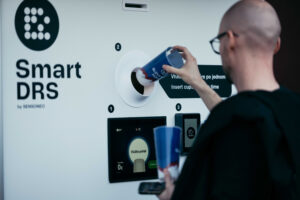
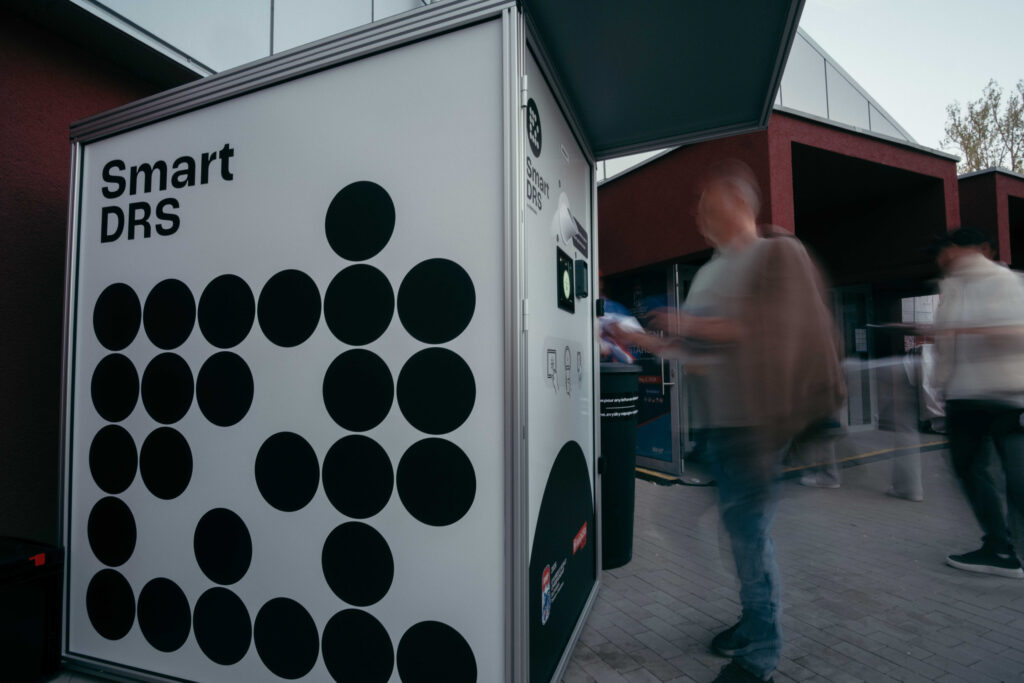
Smart Return Stations developed by Smart DRS enable:
- quick and intuitive cup returns
- fully automated operation
- reduced need for on-site staff
- smoother visitor flow during busy periods
This approach supports reuse systems designed for large visitor volumes and multiple event formats, helping venues maintain both operational efficiency and sustainability performance.
Manual collection vs QR vs RFID vs AI recognition
| Manual Collection | QR Codes | RFID | AI Recognition | |
|---|---|---|---|---|
| Identification | Manual | Printed QR codes | Electronic RFID tags | Automatic AI-based recognition |
| Cup modifications | None | QR code required | RFID tag required | None |
| Scalability | Limited | Medium to high | High | High |
| Return process | Staff-assisted | Scanning required | Automated detection | Automated recognition |
| Best suited for | Small operations | Trackable reuse systems | Closed-loop systems | High-volume venues and events |
Supporting Circular Models in Practice
Reusable cup systems can deliver measurable environmental benefits when supported by infrastructure adapted to real event conditions. Automated return solutions can help venues reduce single-use packaging waste, improve asset recovery rates, simplify logistics during events, support deposit-based reuse models, and maintain consistent visitor experience
As more venues move toward circular solutions, attention is shifting from the product itself to the systems that enable reuse at scale.
The future of reuse depends not only on materials, but on practical, easy-to-use return processes that work in real environments.
Reusable Cup Return Systems at Stadiums and Festivals
Stadiums, festivals, and other large-scale events are ideal environments for reusable cup systems. Thousands of beverages can be served within a short period of time, creating significant amounts of single-use packaging waste and putting pressure on traditional waste collection infrastructure.
However, introducing reusable cups is only one part of the solution. Event organizers also need an efficient way to collect large volumes of cups, process returns quickly, and encourage visitors to participate in the system.
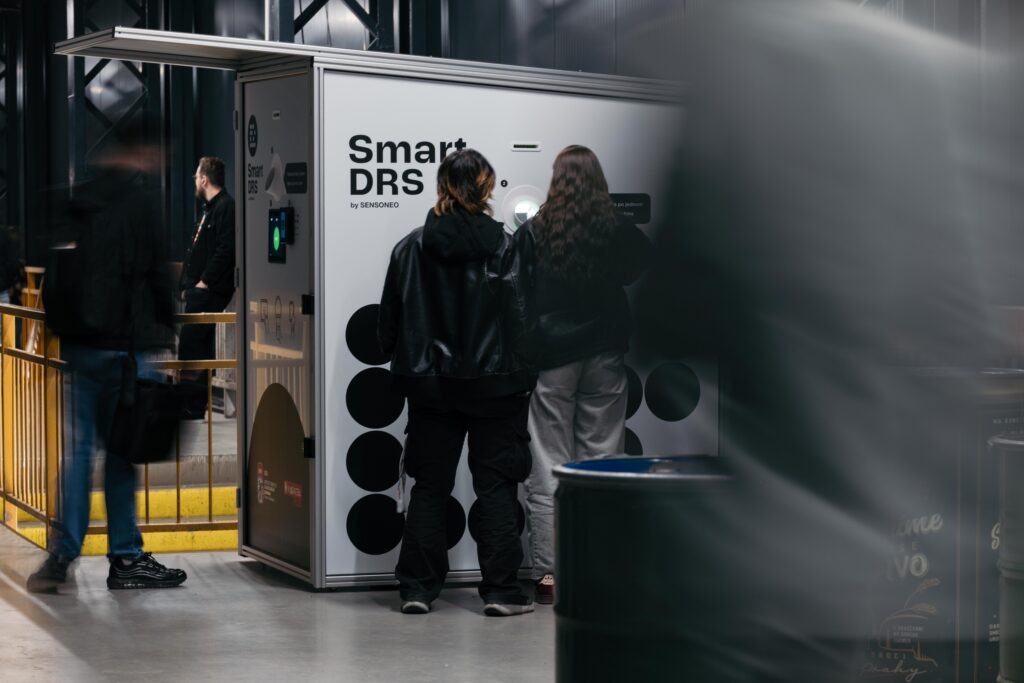
Automated reusable cup return systems can help manage these challenges by providing convenient collection points across the venue. Visitors can return their cups quickly, while operators benefit from more efficient collection processes and better visibility into return volumes.
At stadiums, return machines can be strategically placed near exits, concourses, and high-traffic areas to make returning cups a natural part of the visitor journey. At festivals, automated return points can help reduce queues at beverage stands and allow staff to focus on serving customers instead of manually processing cup returns.
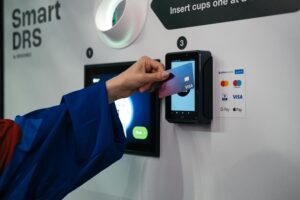
Digital deposit refunds can further improve the experience by making the return process faster and more flexible. At the same time, real-time data can help organizers monitor collection activity and optimize the placement and operation of return points.
See how reusable cup returns worked at the 2026 IIHF Ice Hockey U18 World Championship
FAQ
What is the best way to return reusable cups?
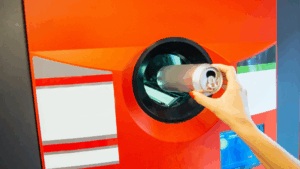
The best way to return reusable cups at scale is through a convenient and accessible return system. Automated reusable cup return stations allow customers to return cups quickly at designated collection points, helping venues streamline collection, reduce manual handling, and improve return rates.
How do automated reusable cup return stations work?
Automated reusable cup return stations use identification technology to recognize eligible cups when they are returned. The system records the return, collects the cup for washing and reuse, and can support deposit refund processes. This makes reusable cup collection more efficient, traceable, and scalable for venues and event operators.
Can reusable cups be returned without an app?
Yes. Reusable cups can be returned without requiring customers to download or use a mobile app. App-free return systems reduce barriers to participation and make the return process faster and more accessible, particularly at high-traffic venues and large-scale events.
What technologies identify reusable cups?
Reusable cups can be identified using technologies such as RFID, QR codes, barcodes, or other machine-readable identifiers. These technologies enable automated return stations to recognize cups, track returns, and provide operators with data about reusable packaging circulation and return rates.
How can venues increase reusable cup return rates?
Venues can increase reusable cup return rates by making the return process simple, fast, and convenient. Providing clearly visible and strategically located return points, minimizing the number of steps required from customers, offering app-free returns, and using automated return stations can help encourage participation and improve overall return rates.