Deposit Return Systems (DRS) are changing the way beverage packaging is collected and recycled. As deposit return schemes expand, retailers and collection point operators face an important decision: which reverse vending machine (RVM) is best suited to their needs?
Two key technologies are single-feed and multi-feed reverse vending machines, also commonly referred to as bulk feed machines.
While both solutions serve the same purpose, which is collecting eligible beverage containers and enabling deposit refunds, they differ significantly in terms of customer convenience, processing speed, operational requirements, and investment costs.
Multi-feed technology is gaining attention as a convenient solution for handling larger quantities of returned packaging. However, traditional single-feed machines remain a reliable choice for many retail environments.
So, what are the main differences between single-feed and multi-feed RVMs, how does a bulk feed machine work, and which solution makes the most sense for various use cases?
What is a single-feed reverse vending machine?
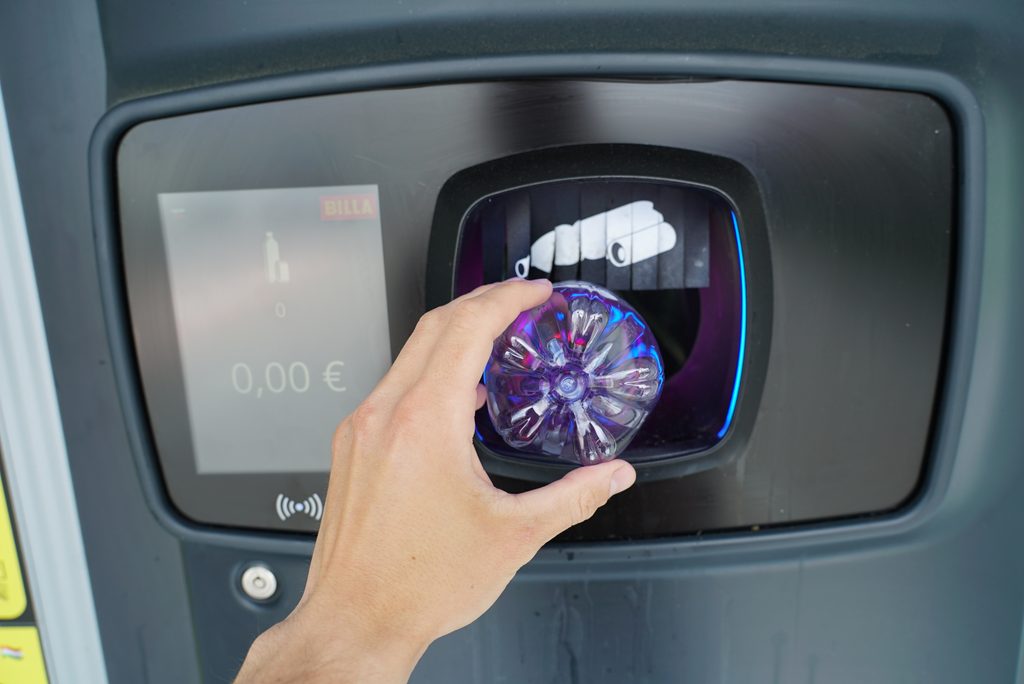
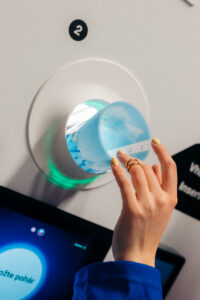
A single-feed reverse vending machine is an automated collection device that accepts beverage containers individually.
Customers insert empty plastic bottles, aluminum cans, or other eligible containers one at a time. The machine identifies each container, verifies whether it qualifies for a deposit refund, and processes it according to the system’s requirements.
Once all containers have been returned, the customer receives a refund through the available payment method, such as a printed voucher or digital credit.
Single-feed RVMs are widely used in DRS markets and are particularly suitable for locations with relatively predictable or moderate container return volumes.
Advantages of single-feed machines
- Lower initial investment: Generally less expensive than comparable high-capacity multi-feed systems, although prices vary by configuration.
- Compact design: Many models can fit into smaller retail environments.
- Proven technology: Established equipment with a long operational history.
- Straightforward maintenance: Simpler configurations can make certain servicing tasks easier.
- Suitable for lower volumes: An effective choice for convenience stores and smaller collection points.
Disadvantages of single-feed machines
- Manual container insertion: Every bottle or can must be inserted separately.
- Longer customer interaction: Returning a large collection can be time-consuming.
- Potential queues: Busy periods may create congestion around collection points.
- Less convenient for bulk returns: Customers returning several bags of containers may prefer a faster alternative.
What is a multi-feed or bulk feed reverse vending machine?
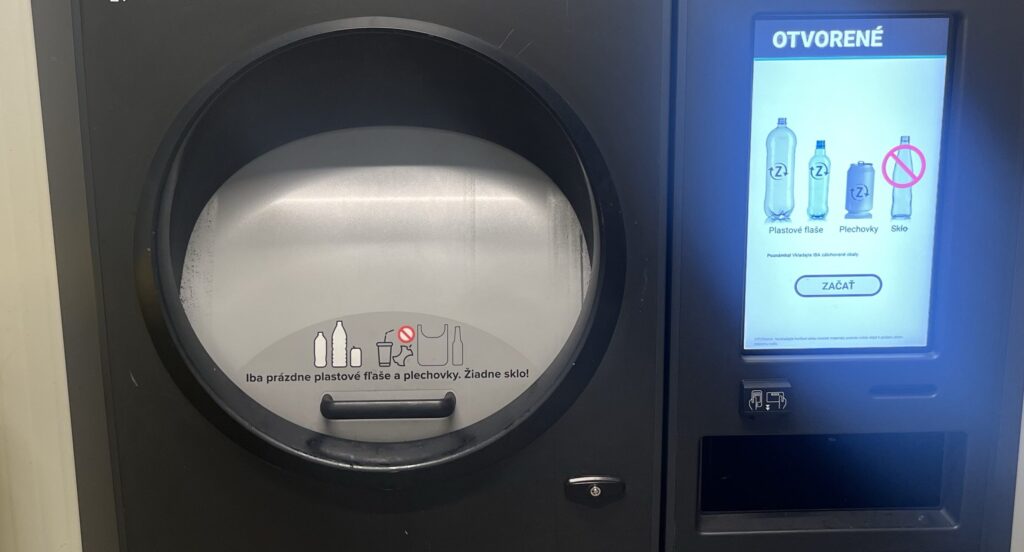
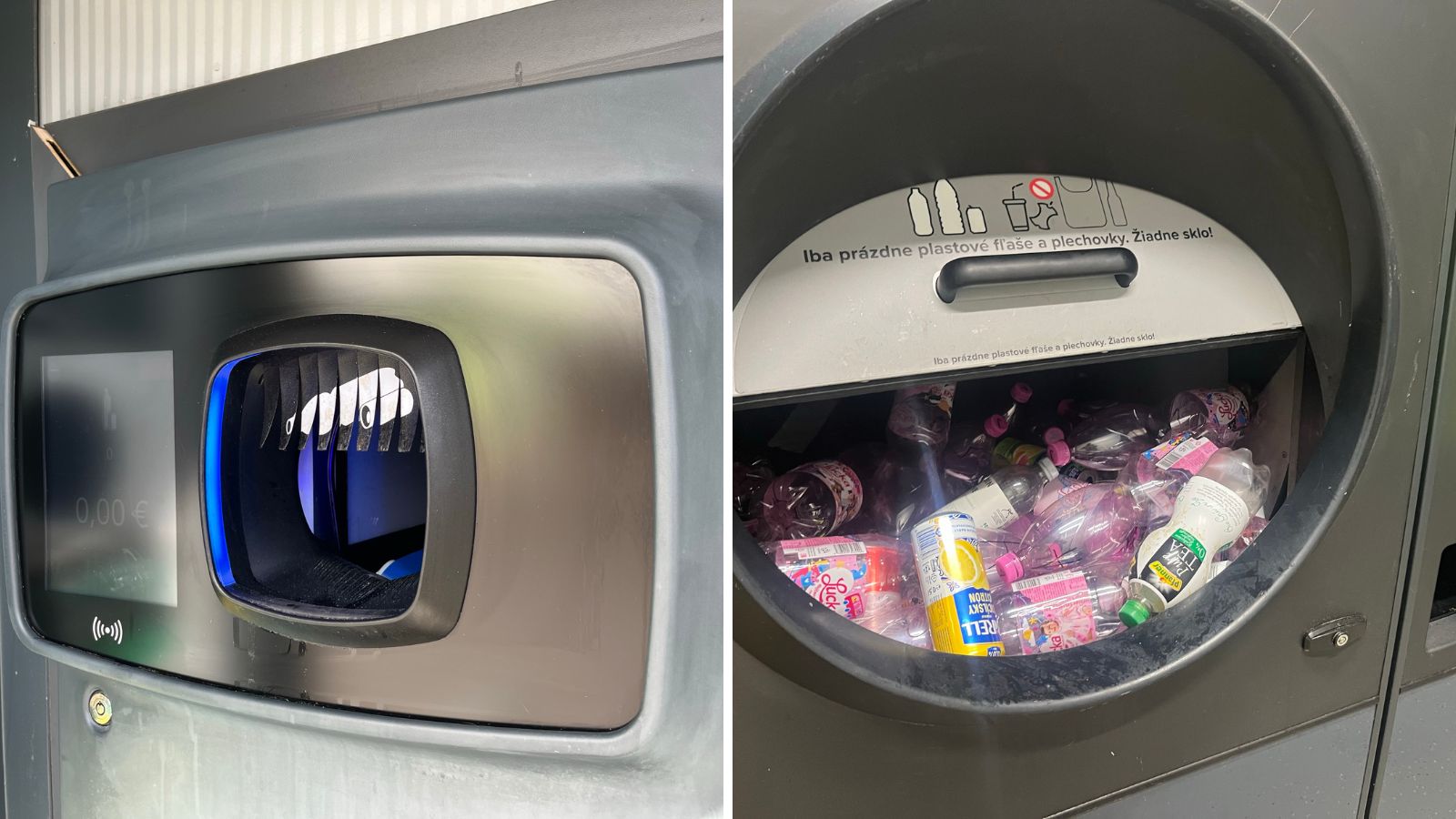
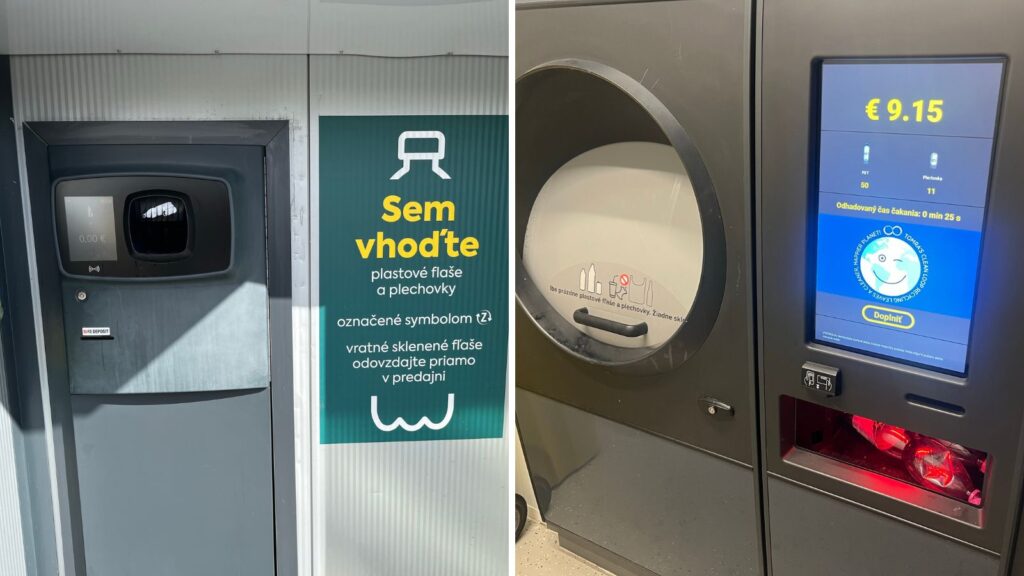
A multi-feed reverse vending machine, also known as a bulk feed machine, bulk-feed RVM, or multifeed reverse vending machine, allows customers to return multiple beverage containers simultaneously.
Instead of inserting each bottle or can individually, customers can empty an entire bag of eligible containers into a dedicated loading area or hopper.
The machine then automatically separates, identifies, validates, and processes the containers.
This approach significantly reduces manual handling, making the return process particularly convenient for customers returning large quantities of empty packaging.
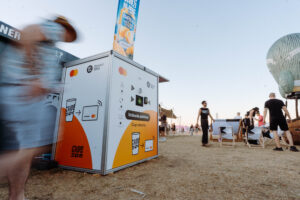
Bulk feed technology is already used in commercial DRS environments, particularly in supermarkets, high-traffic retail locations, and dedicated collection points. Depending on the machine’s design, some solutions also combine bulk-feed and single-feed functionality to accommodate different container types and customer needs.
Although the terms multi-feed and bulk feed are often used interchangeably, individual machines may differ in how containers are loaded, separated, and processed. Some solutions accept a defined batch, while others support continuous feeding.
How does a bulk feed machine work?
The operating process of a bulk feed reverse vending machine typically involves several automated stages:
- Bulk loading: The customer pours multiple empty beverage containers into the machine’s loading area.
- Container separation: An automated feeding mechanism separates containers so they can be identified individually.
- Recognition and validation: Sensors and identification technology verify the containers against the DRS requirements.
- Sorting and processing: Accepted containers are directed to the appropriate storage or compaction system, depending on the machine configuration.
- Deposit refund: The customer receives the corresponding refund through the supported payment method.
The key difference from single-feed technology is that customers do not need to manually insert every container.
Instead, the bulk feed machine automates much of the handling process, creating a faster and more convenient experience, particularly for large returns.
Advantages of multi-feed and bulk feed machines
1. Faster and more convenient returns
One of the main advantages of a bulk feed machine is the ability to deposit multiple containers in a single action.
This reduces the time and effort required from consumers, especially when they return large quantities of bottles and cans.
Rather than inserting containers individually, customers can simply empty their bags into the machine and let the automated system handle the processing.
2. Improved customer experience
Convenience plays an important role in the success of deposit return systems.
Bulk feed reverse vending machines make container returns easier and often less demanding for consumers. The reduced need to handle individual containers can also create a cleaner and more comfortable experience.
For retailers, providing a convenient return process can improve customer satisfaction and make their location more attractive as a collection point.
3. Better handling of high return volumes
Multi-feed RVMs are especially useful in busy supermarkets, hypermarkets, and dedicated collection centers where large quantities of beverage containers are returned daily.
Their automated feeding systems are designed to handle bulk returns more efficiently, helping businesses manage periods of increased demand.
4. Potentially shorter queues
Long queues can negatively affect the customer experience at busy return points.
By reducing the time customers spend manually inserting containers, bulk feed machines can improve customer throughput and potentially reduce waiting times.
The actual improvement depends on machine performance, customer behavior, and the overall return-point configuration.
5. Greater flexibility for high-volume collection
Some multi-feed solutions combine bulk feeding with separate single-feed entry points, allowing customers to choose the most suitable method for their containers.
This can be particularly useful where different packaging materials require different handling methods.
Disadvantages of multi-feed and bulk feed machines
Despite their benefits, bulk feed machines are not necessarily the ideal choice for every retail location.
1. Higher initial investment
High-capacity multi-feed systems often involve a higher initial investment than standard single-feed RVMs.
Businesses should therefore assess whether their expected collection volumes justify the additional cost.
2. Space and installation requirements
Some bulk feed machines require more space for feeding mechanisms, processing equipment, and material storage.
However, compact multi-feed solutions are also available, so the actual space requirement depends on the equipment and its configuration.
3. More complex technology
Multi-feed machines typically include additional mechanical systems for container separation and automated handling.
This can introduce greater technical complexity and specific servicing requirements.
4. Not always necessary for smaller locations
For a small convenience store processing relatively few containers each day, a bulk feed machine may provide more capacity than the business requires.
In these situations, a compact single-feed RVM can offer a more economical solution.
Single-feed vs. multi-feed: Key differences
| Feature | Single-feed RVM | Multi-feed RVM / Bulk feed machine |
|---|---|---|
| Container insertion | One at a time | Multiple at once |
| Customer convenience | Good for small returns | Especially good for bulk returns |
| Return speed | Depends on individual insertion | Can reduce customer handling time |
| Initial investment | Often lower | Often higher |
| Space requirements | Compact models available | Varies; some are compact |
| Technical complexity | Typically simpler | Additional feed-handling mechanisms |
| Best suited for | Low to medium return volumes | Medium to high return volumes |
| Queue management | May be slower for large returns | Potentially more efficient |
| Maintenance | Model-dependent | Model-dependent |
The most significant difference is not simply the number of containers processed per minute. It is how efficiently customers can complete the entire return process, including loading, identification, refund collection, and any waiting time.
How much faster is a bulk feed machine compared to a single-feed RVM?
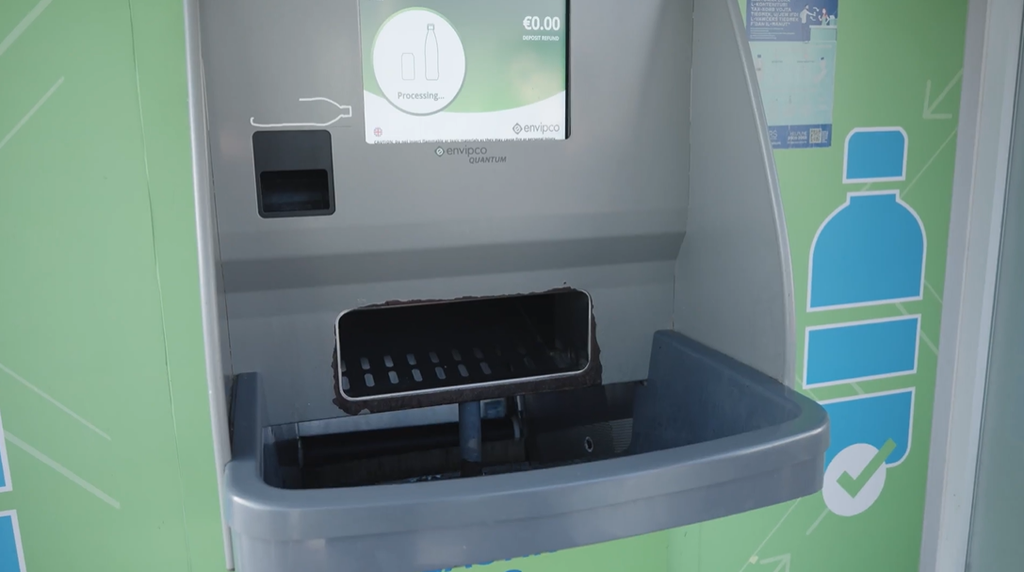
Speed is one of the most important considerations when comparing single-feed and multi-feed machines.
In a single-feed RVM, the customer must individually handle and insert each container. Even when the machine can process containers quickly, the customer’s loading speed remains an important factor.
With multi-feed technology, much of this manual work is eliminated.
Multi-feed reverse vending machines can significantly reduce the manual effort required to return large quantities of containers. By allowing customers to deposit multiple bottles and cans at once, bulk feed machines can shorten the loading stage of a return transaction compared to traditional single-feed systems. Actual time savings depend on the machine’s processing capacity, the number and type of containers, and the return-point configuration.
However, machine specifications should not be evaluated using processing speed alone.
Retailers should also consider the time required to complete a transaction, the system’s ability to handle peak periods, the storage capacity for collected materials, and the frequency of staff intervention.
A machine capable of high processing speeds may still create operational challenges if its storage containers fill quickly or maintenance interrupts availability.
Which machine is better for retailers?
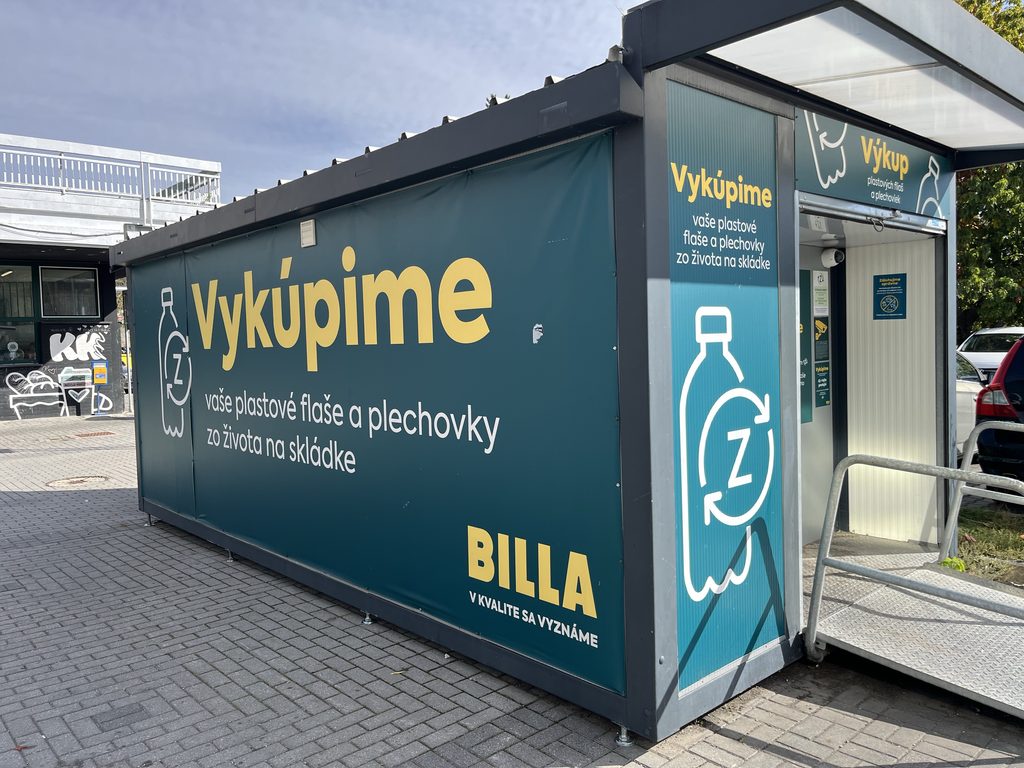
The right choice depends primarily on the store’s size, customer behavior, and expected volume of returned containers.
Small convenience stores
For smaller businesses where customers typically return a limited number of containers, single-feed machines often provide a practical balance between functionality, investment, and space requirements.
Supermarkets and high-traffic locations
Larger supermarkets may benefit from multi-feed machines, especially when customers regularly bring full bags of empty containers.
Faster return transactions can reduce congestion and make DRS participation more convenient.
Dedicated DRS collection centers
High-volume collection centers can benefit from multi-feed or other industrial bulk-handling systems, provided the equipment matches their anticipated capacity and logistical requirements.
Can you combine both technologies?
Yes. Some return-point configurations allow retailers to operate single-feed and multi-feed machines alongside one another.
This offers customers a choice and can help distribute different types of return transactions across the available equipment.
Are bulk feed machines the future of Deposit Return Systems?
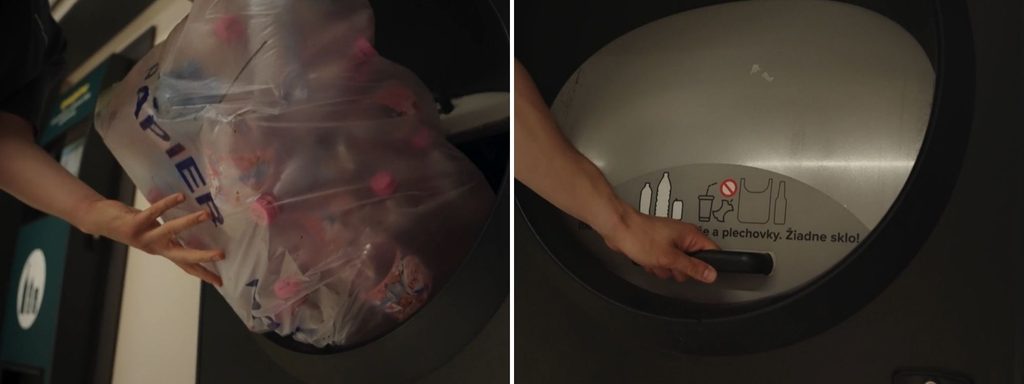
The growing interest in multi-feed technology reflects a broader trend toward faster, more convenient and increasingly automated container collection.
The convenience of container returns is an important consideration when designing effective DRS collection infrastructure. Bulk feed machines address this need by reducing the amount of manual handling required, particularly for consumers returning large quantities of packaging. Their potential value lies in making the return process easier and supporting efficient collection at busy locations.
For consumers, convenience matters. A return process that requires less time and effort can make participation in deposit return schemes more attractive.
For retailers, improved return-point throughput can potentially reduce congestion and support smoother operations.
From a circular economy perspective, however, the environmental benefit is not inherent in the feeding mechanism itself. The broader goal is to collect more eligible packaging, maintain material quality, and ensure containers are properly routed into recycling or reuse systems.
Both single-feed and multi-feed technologies can contribute to that goal.
Multi-feed machines are therefore an important development in DRS infrastructure, but not a universal replacement for single-feed equipment.
What to consider before investing in a DRS machine
Before selecting a reverse vending machine, businesses should evaluate the following factors:
- Expected return volume: How many containers will the collection point process per day, and how high are peak volumes?
- Available space: Is there sufficient room for the machine, customer access, storage, and servicing?
- Total cost of ownership: What are the installation, maintenance, consumables, energy, and labor costs?
- Customer behavior: Do consumers usually return a few bottles or full bags of containers?
- Accepted materials: Does the equipment support every container type required by the local DRS?
- Operational reliability: What service support, spare parts, uptime monitoring, and maintenance arrangements are available?
- Future scalability: Can the equipment adapt if return volumes or scheme requirements change?
Evaluating these factors will provide a more reliable basis for investment than comparing processing-speed figures alone.
Conclusion: Single-feed or bulk feed machine?
Both single-feed and multi-feed reverse vending machines have an important place in modern Deposit Return Systems.
Single-feed machines remain a reliable and practical solution for locations with moderate collection volumes, limited space, or tighter investment budgets.
Multi-feed machines offer a more convenient approach to returning large quantities of beverage containers and can be particularly valuable in supermarkets, high-traffic return points, and dedicated collection facilities.
Ultimately, the best DRS machine is not necessarily the fastest or most technologically advanced—it is the one that matches the needs of the return location and its customers.
As deposit return systems continue to develop, retailers that prioritize accessibility, convenience, operational efficiency, and reliable material collection will be better positioned to support the transition toward a circular economy.
FAQ
What is a multi-feed reverse vending machine?
A multi-feed reverse vending machine is an automated system that allows customers to deposit several empty beverage containers simultaneously. The machine separates, identifies, and processes eligible containers to calculate their deposit refunds.
What is the difference between single-feed and multi-feed RVMs?
Single-feed machines require customers to insert containers individually, whereas multi-feed machines accept multiple containers at once. Multi-feed technology can improve convenience and reduce transaction times for larger returns.
Are multi-feed reverse vending machines faster?
Multi-feed machines can offer faster customer transactions, especially when returning large quantities of containers. However, actual performance depends on the machine’s processing capacity, configuration, and operating conditions.
Are multi-feed machines more expensive?
Multi-feed systems often require greater initial investment, particularly high-capacity installations. However, total cost depends on factors such as equipment configuration, storage capacity, maintenance, and operational efficiency.
Can multi-feed machines accept glass bottles?
Some multi-feed machines can process glass bottles, while others are designed specifically for PET bottles and cans. Compatibility should always be confirmed against local DRS requirements and equipment specifications.