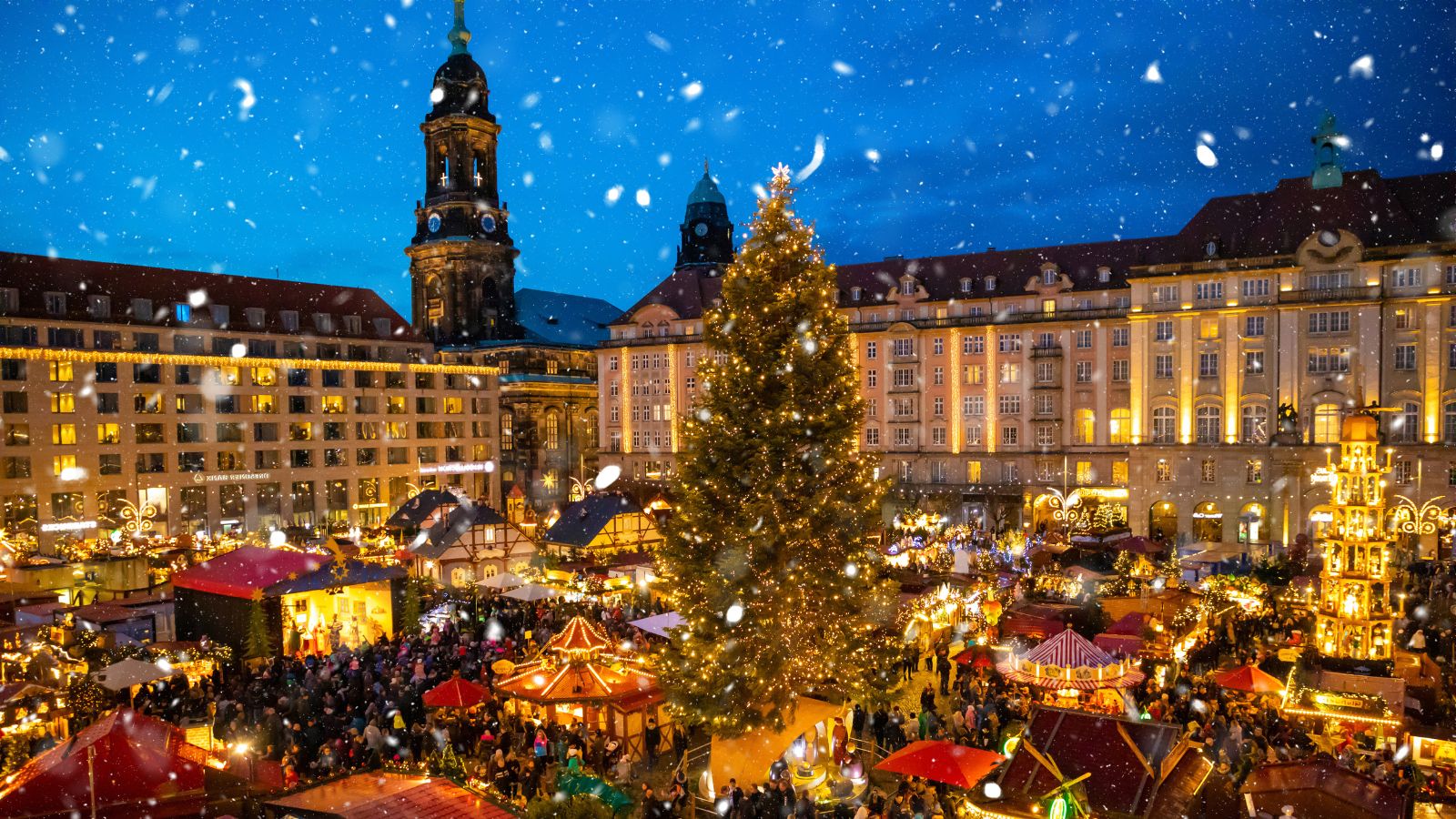
Walk through almost any major Christmas market in Europe and you’ll notice something interesting. More and more visitors are drinking from reusable cups instead of disposable ones. They order a mulled wine, stroll through the market, enjoy the atmosphere and, before heading home, either return the cup for their deposit or keep it as a souvenir.
For visitors, it’s a simple routine.
For organisers, it’s the result of hundreds of small decisions—from choosing the right deposit value to deciding where return points should be placed and how vendors work together. When those decisions are made well, most people don’t even think about the system. They simply use it.
That’s exactly what makes Christmas markets so interesting.
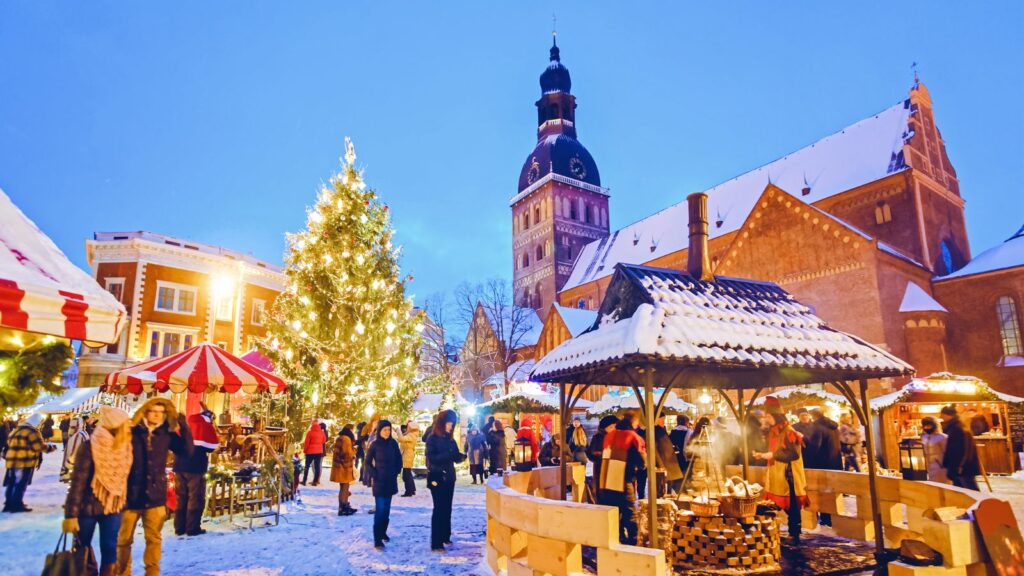
Unlike permanent venues, they only operate for a few weeks each year. They welcome thousands of visitors every day, involve dozens of independent vendors and serve an enormous number of hot drinks in a relatively small space. If a reusable cup system can handle that kind of pressure during the busiest weekends in December, there’s a good chance the same principles will work just as well at festivals, stadiums, concerts and city events.
Across Europe, organisers have taken slightly different approaches. Some focus on making returns as easy as possible. Others use beautifully designed mugs that many visitors choose to keep. Some even turn deposits into charitable donations.
Different ideas, but the same goal: make reuse simple enough that people naturally take part.
Let’s look at seven Christmas markets that are already doing it well and what every event organiser can learn from them.
At a Glance
| Christmas Market | Country | Deposit | What Makes It Interesting |
|---|---|---|---|
| Strasbourg | France | €1 | Visitors can donate their deposit to charity |
| Nuremberg | Germany | Varies | Shared reusable mug system across vendors |
| Dresden | Germany | Varies | Reuse built into the market's operating rules |
| Vienna | Austria | €2–€5 | Different deposits for tumblers and souvenir mugs |
| Brno | Czech Republic | Varies | Simple city-wide reusable cup programme |
| Manchester | United Kingdom | £3.50 | Collectible seasonal mugs |
| Angers | France | €1 | EcoCup programme with measurable waste reduction |
Strasbourg Christmas Market, France
Overview
Founded in 1570, Strasbourg’s Christkindelsmärik is one of Europe’s oldest and most famous Christmas markets. Every winter, it welcomes millions of visitors to the historic city centre, where dozens of stalls serve mulled wine, hot chocolate and other seasonal drinks.
With so many people moving through the market every day, even a small improvement in how drinks are served can make a noticeable difference. That’s one of the reasons Strasbourg has embraced reusable cups as part of the visitor experience.
Reusable Cup System
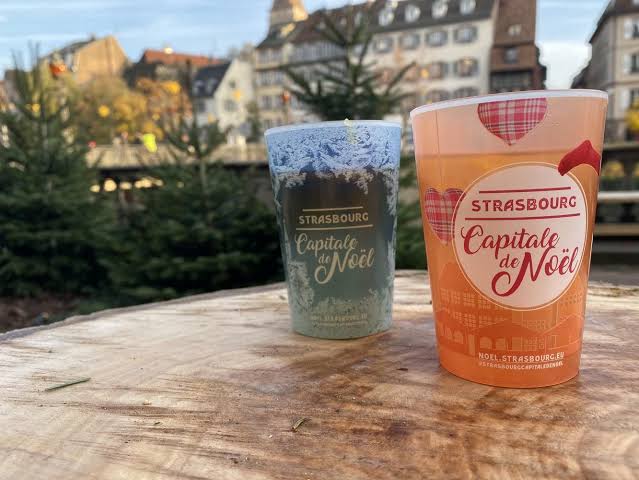
Visitors pay a €1 deposit when buying a drink in a reusable cup. They can return the cup to get their deposit back or keep it as a souvenir.
In recent years, Strasbourg has also tested bio-based reusable cups made from renewable materials, showing that innovation doesn’t have to come at the expense of practicality.
One small detail makes the system especially memorable. Visitors who don’t want their deposit back can choose to donate it to a local charity instead.
Why Strasbourg Stands Out
Most reusable cup systems offer visitors two choices: return the cup or keep it.
Strasbourg adds a third.
By allowing people to donate their deposit, the city turns a simple transaction into a small act of community support. It’s optional, easy to understand and doesn’t make the return process any more complicated.
It’s a reminder that even small details can make a reusable cup system feel more engaging.
Interesting Fact
Strasbourg was one of the first major Christmas markets in Europe to experiment with bio-based reusable cups, exploring ways to reduce environmental impact without changing the visitor experience.
Lesson for Organisers
The best reusable systems don’t need to be complicated to stand out.
Sometimes a simple idea—like giving visitors another option for their deposit—is enough to create a more memorable experience while supporting a good cause.
Smart DRS Perspective
Reusable cup systems don’t have to stop at collecting deposits. Small additions that fit naturally into the visitor journey can increase engagement without making the system harder to use. The simpler the process stays, the more likely people are to participate.
Nuremberg Christkindlesmarkt, Germany
Overview
Nuremberg’s Christkindlesmarkt is one of Germany’s best-known Christmas markets and attracts visitors from around the world every year.
Serving thousands of hot drinks every day requires a system that works consistently across many different vendors. That’s where reusable cups have become part of the market’s daily operation.
Reusable Cup System
Rather than treating reusable mugs as something managed by individual stalls, participating vendors follow a shared approach that allows visitors to return mugs across the market instead of searching for the original seller.
Behind the scenes, professional washing and redistribution help keep cups circulating throughout the event.
For visitors, the process feels simple. They buy a drink, enjoy it and return the mug when they’re finished.
Why Nuremberg Stands Out
The real strength of Nuremberg’s approach isn’t the mug itself.
It’s the consistency.
Visitors don’t have to learn different rules at every stall. The same process works throughout the market, making participation almost automatic.
Interesting Fact
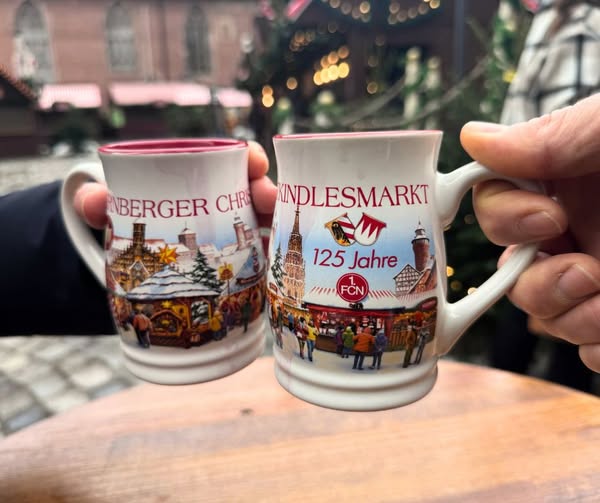
The iconic Nuremberg Christmas mugs have become collectibles for many visitors, meaning organisers must plan for both returned mugs and those that people choose to take home.
Lesson for Organisers
Consistency is often more valuable than complexity.
If every vendor follows the same process, visitors understand the system much faster and queues move more smoothly.
Smart DRS Perspective
Reusable cup systems work best when they feel like one event-wide programme rather than a collection of individual vendor solutions. Standardisation creates a better experience for everyone involved.
Dresden Striezelmarkt, Germany
Overview
Dating back to 1434, Dresden’s Striezelmarkt is considered one of the oldest Christmas markets in the world.
Its long history hasn’t stopped it from adopting modern approaches to sustainability, including reusable drinkware across participating vendors.
Reusable Cup System
Reusable mugs are integrated into the market’s operations, helping reduce disposable waste while maintaining a consistent visitor experience.
Visitors can enjoy drinks throughout the market without having to think about complicated return rules.
The process stays familiar wherever they buy their next drink.
Why Dresden Stands Out
Many reusable systems succeed because of good logistics.
Dresden shows that they also depend on clear expectations.
When organisers and vendors work within the same framework, reusable cups become part of the event rather than an optional extra.
Interesting Fact
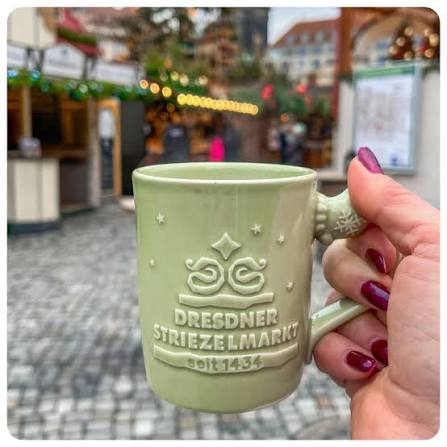
Every year, Dresden releases beautifully designed seasonal mugs that many visitors keep as souvenirs, making them part of the market’s identity as well as its reuse programme.
Lesson for Organisers
A reusable cup system shouldn’t sit alongside event operations—it should be built into them from the beginning.
Planning it early makes everything else easier.
Smart DRS Perspective
Technology can support a reusable system, but it can’t replace clear operational planning. The strongest programmes combine good logistics with clear rules that every vendor understands.
Vienna Christmas Markets, Austria
Overview
Vienna hosts several Christmas markets across the city, each attracting large numbers of local residents and international visitors.
Whether it’s a quick cup of punch after work or an evening spent exploring festive stalls, reusable mugs have become a familiar part of the experience.
Reusable Cup System
Vienna uses different deposit values depending on the type of drinkware.
Standard tumblers typically carry a €2 deposit, while decorative souvenir mugs often require a €5 deposit.
Visitors can return either option for a refund or keep it as a reminder of their visit.
The rules are clearly explained before and during the event, helping visitors understand their options before they even order a drink.
Why Vienna Stands Out
At first glance, a €5 deposit might seem high.
But it reflects how people actually use the mugs.
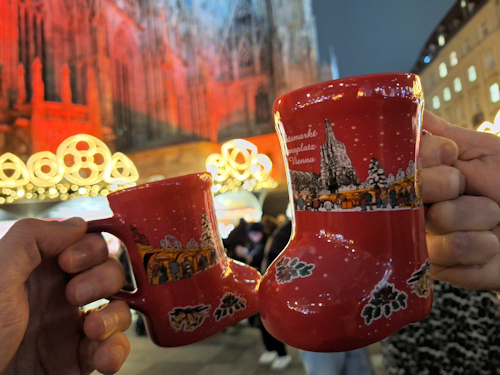
Many visitors want to take home Vienna’s beautifully designed Christmas mugs as souvenirs. The higher deposit isn’t there to discourage returns—it’s there to give people a genuine choice without leaving organisers short of drinkware.
Interesting Fact
Many visitors return home with a Vienna Christmas mug instead of a fridge magnet or postcard, making the reusable cup part of the city’s Christmas tradition.
Lesson for Organisers
Not every event needs the same deposit value.
Think about how visitors are likely to use the cup. If it doubles as a souvenir, your deposit strategy should take that into account.
Smart DRS Perspective
The right deposit isn’t the highest or the lowest one. It’s the amount that fits your event, your audience and the role the cup plays in the overall visitor experience.
Brno Christmas Market, Czech Republic
Overview
Brno’s Christmas markets are spread across several squares in the city centre, creating one connected festive experience rather than a single venue. Visitors move freely between markets, stopping for food, mulled wine and local specialities along the way.
That makes consistency especially important. People shouldn’t have to learn a new return process every time they buy another drink.
Reusable Cup System
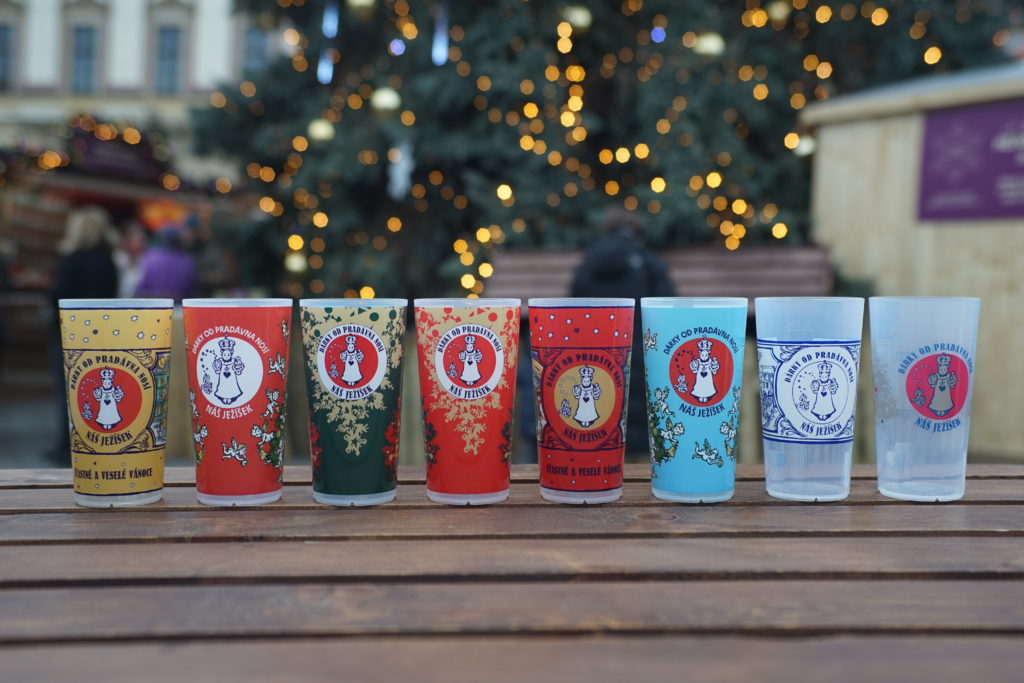
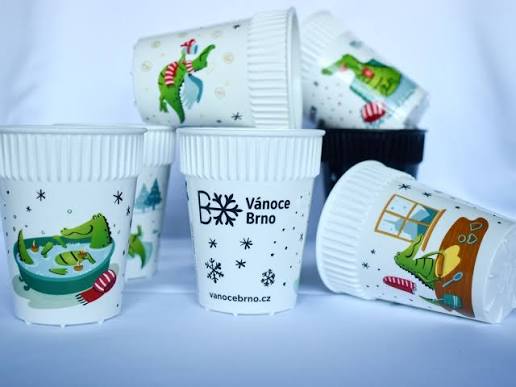
Brno has embraced reusable cups as a standard part of its Christmas markets. Drinks are served in reusable cups and mugs with a refundable deposit, giving visitors the choice to return them or keep them as a souvenir.
From a visitor’s perspective, the system feels straightforward. Buy a drink, enjoy it, return the cup when you’re done. No unnecessary steps, no complicated instructions.
That’s exactly what makes it work.
Why Brno Stands Out
Brno proves that a reusable cup system doesn’t need to be complex to be successful.
The city focuses on making the experience predictable. Visitors quickly understand how the system works because they encounter the same approach throughout the market.
When people don’t have to think about the process, they’re much more likely to take part.
Interesting Fact
Many visitors spend the entire evening moving between Brno’s different Christmas markets while using the same reusable cup system throughout their visit.
Lesson for Organisers
Consistency builds confidence.
Whether an event has ten vendors or a hundred, visitors should feel they’re using one system—not ten different ones.
Smart DRS Perspective
One of the easiest ways to improve return rates is to remove uncertainty. The less visitors have to think about where a cup can be returned, the smoother the whole system becomes.
Manchester Christmas Markets, United Kingdom
Overview
Manchester’s Christmas Markets have grown into one of the UK’s best-known seasonal events, attracting millions of visitors each year. Drinks are served across multiple locations throughout the city centre, creating a busy environment where reusable cups need to work across different spaces and vendors.
It’s also a market where reusable mugs have become part of the Christmas experience itself.
Reusable Cup System
Visitors pay a £3.50 refundable deposit for their reusable mug. They can return it and receive their money back or keep it as a souvenir.
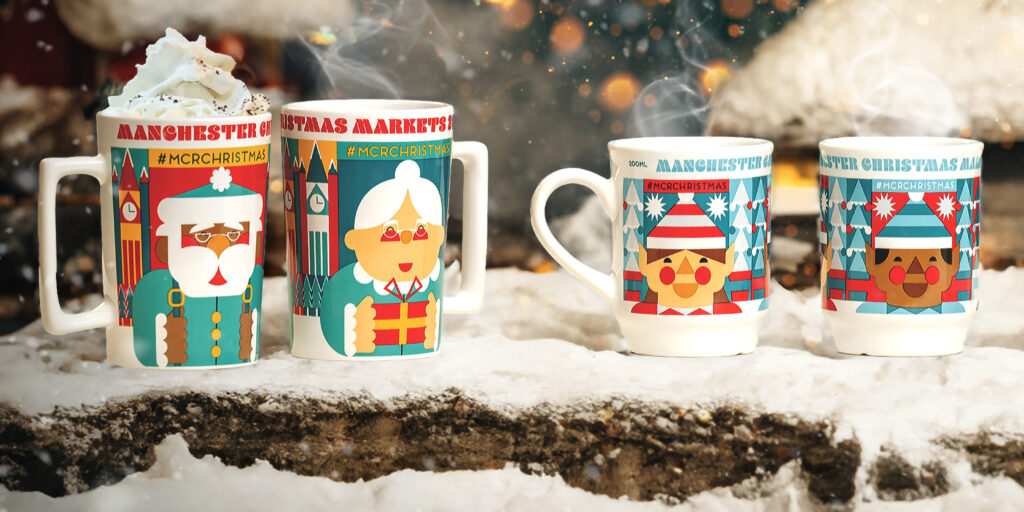
Each season introduces a new mug design, giving visitors another reason to hold onto it after the event.
It’s a simple idea that combines sustainability with branding.
Why Manchester Stands Out
Manchester understands something many organisers overlook.
People don’t always return a reusable mug because sometimes they genuinely want to keep it.
Instead of treating that as a problem, the market designs mugs that visitors are proud to take home. The deposit simply gives them the choice.
Interesting Fact
Many people collect a different Manchester Christmas mug every year, turning reusable drinkware into part of the market’s identity.
Lesson for Organisers
A reusable cup doesn’t have to be just another operational item.
Good design can extend its life beyond the event while giving visitors a positive reminder of their experience.
Smart DRS Perspective
Reusable cups can support sustainability and strengthen an event’s brand at the same time. When drinkware becomes something people genuinely value, it creates benefits that last well beyond the event itself.
Soleils d’Hiver, Angers, France
Overview
The Soleils d’Hiver Christmas market in Angers has become one of France’s most recognised examples of reusable drinkware in practice.
Rather than treating reuse as a one-off initiative, the city has continued developing its approach over multiple editions of the event.
Reusable Cup System
The market uses EcoCup reusable cups with a €1 refundable deposit. Visitors can either return the cup or keep it after their visit.
Over the years, tens of thousands of reusable cups have circulated through the market, replacing large numbers of disposable alternatives.
Just as importantly, organisers have shared measurable results, showing the impact that reusable systems can have over time.
Why Angers Stands Out
Many events know they’re reducing waste.
Angers has gone a step further by measuring it.
Publishing results helps demonstrate that reusable cup systems deliver practical benefits—not just good intentions. That makes it easier to improve future events and build support for reuse programmes.

Interesting Fact
Earlier editions of the market used around 60,000 reusable EcoCups, contributing to a significant reduction in disposable cup waste during the event.
Lesson for Organisers
Don’t stop once the event is over.
Measure what worked, what didn’t and where the system can improve. The more you understand your own event, the easier it becomes to make better decisions next year.
Smart DRS Perspective
The biggest value of a reusable cup system isn’t only reducing waste—it’s creating insight. Data helps organisers understand return rates, identify operational bottlenecks and continuously improve the visitor experience.
What These Christmas Markets Have in Common
No two Christmas markets work in exactly the same way.
Deposit values vary. Mug designs are different. Some visitors return every cup, while others take one home as a souvenir.
Yet after looking at all seven examples, the same patterns appear again and again.
The first is simplicity.
None of these markets asks visitors to learn a complicated process. Buying a drink feels familiar. Returning the cup feels just as natural. The easier the system is to understand, the more likely people are to use it correctly.
The second is consistency.
Visitors don’t want different rules at every stall. The strongest markets create one experience across the entire event, making reusable cups feel like part of the market rather than part of an individual vendor.
Communication also plays a bigger role than many people expect.
The best organisers explain the deposit before visitors ask. Clear signs, simple instructions and well-informed vendors remove uncertainty and help queues move faster during busy periods.
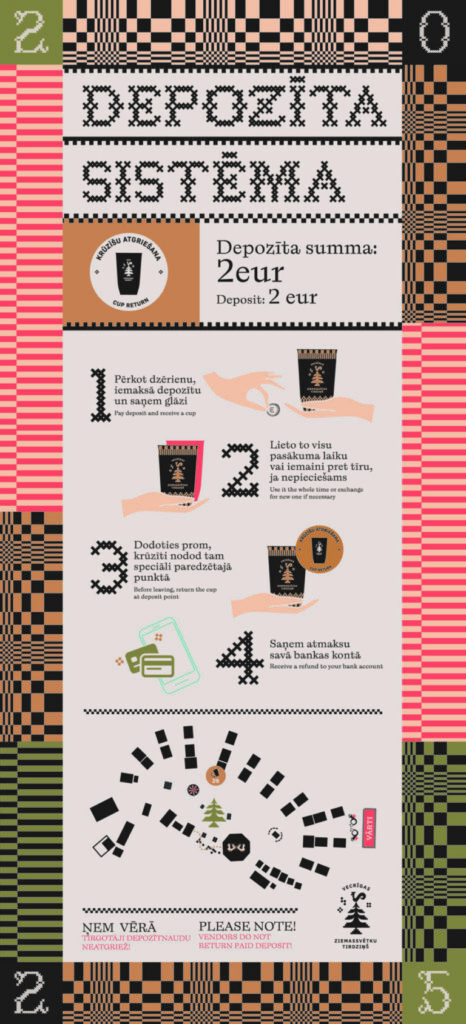
Source: vzt.lv
Finally, every successful market understands that reusable cups are about much more than replacing disposable ones.
They’re about creating an experience that works—for visitors, vendors and organisers alike.
That’s the real lesson these Christmas markets share. The cup is only one part of the system. The real success comes from designing an experience that people naturally want to use.
What Europe’s Christmas Markets Can Teach Us About Successful Reusable Cup Systems
Christmas markets don’t succeed because they use reusable cups.
They succeed because they make using them feel easy.

Think about the visitor experience. Nobody comes to a Christmas market because they’re excited about a deposit system. They come for the atmosphere, the food and the drinks. Returning a cup should never become another thing to think about.
The best organisers understand that.
Buying a drink takes a few seconds. Returning the cup should take just as long.
That’s why the strongest systems focus on convenience before anything else. Return points are easy to find. The deposit is clearly explained. Vendors follow the same rules. Visitors don’t have to wonder where to go or what happens next they already know.
Another reason Christmas markets are so valuable is that they bring together many independent vendors under one system. From the visitor’s point of view, it shouldn’t matter which stall sold the drink. A reusable cup should feel like part of the event, not part of one business.
That consistency makes a huge difference.
It also creates a better experience for vendors. Instead of everyone inventing their own process, everyone works with the same rules. Training becomes easier, queues move faster and visitors quickly understand how everything works.
There’s another lesson here that’s easy to overlook.
Many Christmas markets don’t treat reusable cups as purely environmental projects. Yes, they reduce waste, but that’s only part of the story.
A good reusable cup system also means fewer overflowing bins, cleaner public spaces, smoother operations and, increasingly, useful data about how people use the event.
That’s why Christmas markets have become one of the best real-world examples of reuse done well. They’re not testing whether reusable cups work anymore. They’re showing how to make them work at scale.
From Christmas Markets to Festivals, Stadiums and Events
At first glance, Christmas markets and music festivals don’t seem to have much in common.
One is filled with wooden stalls, mulled wine and fairy lights. The other with concerts, food trucks and thousands of people moving between stages.
But when it comes to reusable cups, they face remarkably similar challenges.

Both environments need to serve large numbers of drinks in a short period of time. Both must keep queues moving. Both rely on temporary infrastructure, multiple vendors and staff who may only be working together for a few days.
The same is true for sports stadiums, fan zones, public celebrations and outdoor events.
That’s why the lessons from Europe’s Christmas markets apply far beyond the holiday season.
The most successful events usually have five things in common:
1. The return process is obvious
Visitors should never have to ask where to return a cup.
Return points need to be clearly visible, conveniently located and explained before people finish their drinks.
2. Every vendor follows the same rules
Nothing creates confusion faster than different instructions at neighbouring stalls.
A shared process improves the visitor experience and reduces mistakes for vendors.
3. Staff understand the system
Even the best-designed reusable cup programme depends on the people running it.
When staff can explain the process confidently and consistently, visitors are much more likely to participate correctly.
4. Organisers use data to improve
Each event generates valuable information.
How many cups circulated?
When did demand peak?
Which return stations were busiest?
Where did queues form?
These insights help organisers make better decisions year after year.
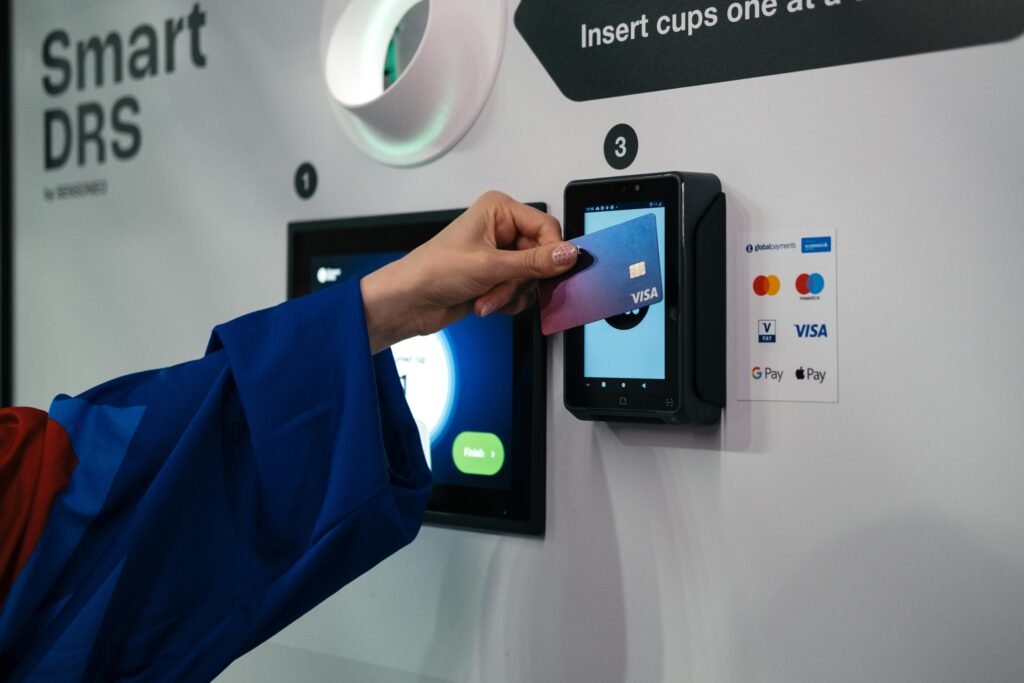
5. Technology supports the experience
Technology shouldn’t make reuse more complicated.
It should remove unnecessary steps, simplify deposits, provide better visibility into operations and help organisers manage reusable assets more efficiently.
The visitor shouldn’t notice the technology.
They should simply notice that everything works.
Planning Checklist for a Reusable Cup System
Before launching a reusable cup programme, it’s worth stepping back and asking a few practical questions.
✔ Have you chosen a deposit that matches your audience?
✔ Will visitors immediately understand how the system works?
✔ Can cups be returned easily throughout the venue?
✔ Do all vendors follow the same process?
✔ Is there enough washing and storage capacity?
✔ Are staff trained to explain the system consistently?
✔ Will you measure return rates and operational performance?
✔ Do visitors know what happens if they decide to keep the cup?
✔ Is the cup attractive enough to become a souvenir without affecting operations?
✔ Have you planned for peak visitor periods when demand is highest?
Many operational challenges can be avoided simply by answering these questions before the first visitor arrives.
Good planning creates a smoother experience for everyone involved.
FAQ
Why do Christmas markets use reusable cups?
The main reason is to reduce waste without compromising the visitor experience.
Traditional single-use cups create large amounts of waste over just a few weeks. Reusable cups help reduce that volume while also making waste collection, cleaning and event operations more efficient.
Many organisers also see reusable cups as an opportunity to strengthen their event’s identity through custom designs that visitors choose to keep as souvenirs.
How do reusable cup deposits work?
The process is simple.
Visitors pay a small refundable deposit when they buy a drink. Once they’ve finished, they return the cup to a designated return point or participating vendor and receive their deposit back.
Some visitors choose to keep the cup instead, especially when it’s uniquely designed for the event.
What is the best deposit for reusable cups?
There’s no single answer.
Across Europe, deposits typically range from €1 to €5, depending on the event and the type of cup.
A local community market may only need a €1 deposit, while premium Christmas markets with collectible mugs often use higher deposits because many visitors intentionally keep them.
The best deposit is one that feels reasonable to visitors while supporting the organiser’s operational goals.
Do reusable cup systems actually reduce waste?
Yes.
When designed well, reusable cup systems can replace tens of thousands—or even hundreds of thousands—of disposable cups during a single event.
The biggest environmental benefits come from using the same cups repeatedly over many events and ensuring high return rates through simple, well-planned operations.
Are reusable cups hygienic?
Absolutely.
Professional reusable cup systems rely on industrial washing processes that meet food safety standards.
For visitors, using a reusable cup is no different from drinking from a glass in a restaurant or café.
What are the biggest challenges for organisers?
Most challenges aren’t about the cups themselves.
They’re about planning.
Clear communication, well-trained staff, convenient return points, sufficient washing capacity and reliable logistics all have a much bigger impact on success than the cup alone.
Technology can support these processes, but it works best when paired with thoughtful event planning.
Can reusable cup systems work outside Christmas markets?
Definitely.
The same principles apply to music festivals, sports stadiums, outdoor concerts, food festivals, fan zones, universities and corporate events.
Anywhere large numbers of drinks are served, a well-designed reusable cup system can help reduce waste while improving operational efficiency.
The Future of Reusable Cup Systems
Reusable cups have already become a familiar sight at many of Europe’s leading Christmas markets.
The next step isn’t simply replacing more disposable cups.
It’s making reuse even easier.
We’re already seeing organisers move beyond standalone cup programmes towards integrated reusable systems that combine smarter logistics, better operational data and a more seamless visitor experience.
Instead of asking visitors to adapt to the system, successful events are designing systems that adapt to visitors.
Technology will continue to play an important role, but not because visitors want more screens, apps or complicated processes.
Quite the opposite.
The best technology is almost invisible.
It helps organisers understand what’s happening behind the scenes while keeping the experience simple for everyone else.
As regulations around packaging waste continue to evolve across Europe, reusable systems are also becoming less of a competitive advantage and more of an expected standard.
Events that start planning today will be in a much stronger position than those forced to react later.
The future of reusable cups isn’t about making sustainability more complicated.
It’s about making sustainable choices feel like the easiest ones.
Conclusion
Europe’s Christmas markets have spent years refining reusable cup systems in some of the busiest event environments imaginable.
They’ve tested different deposit values, improved return processes and learned what encourages people to participate.
The result is surprisingly consistent.
Successful reusable cup systems aren’t built on complicated technology or strict rules.
They’re built on simplicity.
Visitors understand what to do.
Vendors follow the same process.
Returns are quick.
Operations run smoothly.
When those pieces come together, reusable cups stop feeling like an environmental initiative and become a natural part of the event experience.
Whether you’re organising a Christmas market, music festival, stadium, fan zone or public celebration, the same principles apply.
Keep the process simple.
Make returns easy.
Design the system around people, not the other way around.
That’s how reusable cup systems succeed.
Ready to simplify your reusable cup system?
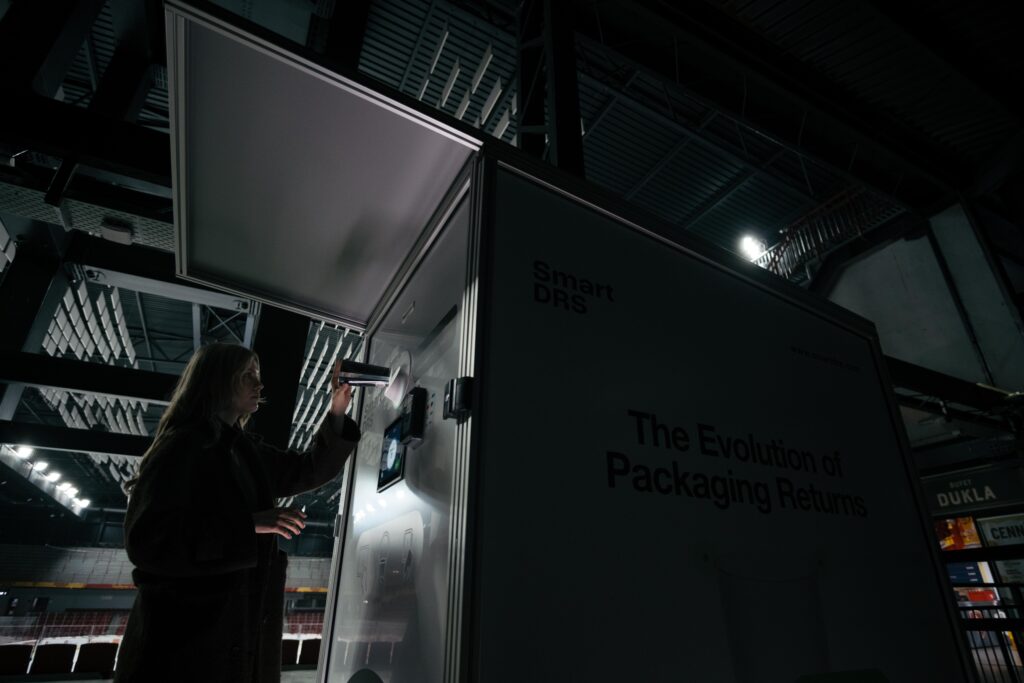
At Smart DRS, we believe the best return experience is the one people barely have to think about.
Our solution is designed to help organisers create faster, simpler and more intuitive deposit return systems that improve the visitor experience while supporting operational efficiency and sustainability goals.
If you’re planning your next event and want to explore how a smarter reusable cup system could work for you, we’d love to talk.
Simple returns start here.
Contact us
Shape the future of packaging returns with us.
Get in touch at tomas.vincze@smartdrs.com or +421 902 715 571
150+ DRS professionals
Driving innovation across global markets